

Top SEO Strategies for Epoxy Flooring Company Websites: Boost Rankings and Drive Traffic

Top SEO Strategies for Epoxy Flooring Company Websites: Boost Rankings and Drive Traffic

In the competitive world of home improvement and specialized services, like epoxy flooring, having an effective SEO strategy is essential to reaching potential clients. Here’s a breakdown of SEO techniques tailored for epoxy flooring businesses, covering keyword research, on-page and off-page SEO, and content optimization.

Keyword Research Specific to Epoxy Flooring

Keyword Research Specific to Epoxy Flooring

Keyword research is the cornerstone of any SEO strategy. For an epoxy flooring company, targeting specific keywords related to the industry ensures that the website reaches the right audience. Here are the steps to conduct targeted keyword research for epoxy flooring:

Identify Core Keywords: Start by identifying broad terms such as “epoxy flooring,” “epoxy floor coating,” and “garage floor epoxy.” Use keyword research tools like Google Keyword Planner, Ahrefs, or SEMrush to get monthly search volumes for these core terms.

Target Long-Tail Keywords: Long-tail keywords are less competitive, highly specific phrases that can attract more qualified traffic. Examples include “residential epoxy floor installation,” “epoxy garage flooring in [City],” or “best epoxy floor coating for basements.” These terms may have lower search volumes, but they often result in higher conversion rates.

Explore Related Topics: Look into related keywords such as “concrete coating,” “polished concrete floors,” or “garage floor sealing” to broaden content topics on your site. This not only increases search potential but also allows the company to rank for various search intents.

Use Local Keywords: Since epoxy flooring is a location-specific service, include keywords with geographical modifiers like “epoxy flooring services in [City]” or “concrete coating in [Region].” Local SEO strategies boost visibility for nearby customers searching for epoxy flooring.

Analyze Competitor Keywords: Research what keywords competitors are ranking for, as they might uncover new opportunities or reveal gaps in your content. You can use SEO tools to explore competitor keyword profiles and determine where you can improve or differentiate your content.

On-Page SEO Tactics
On-Page SEO Tactics

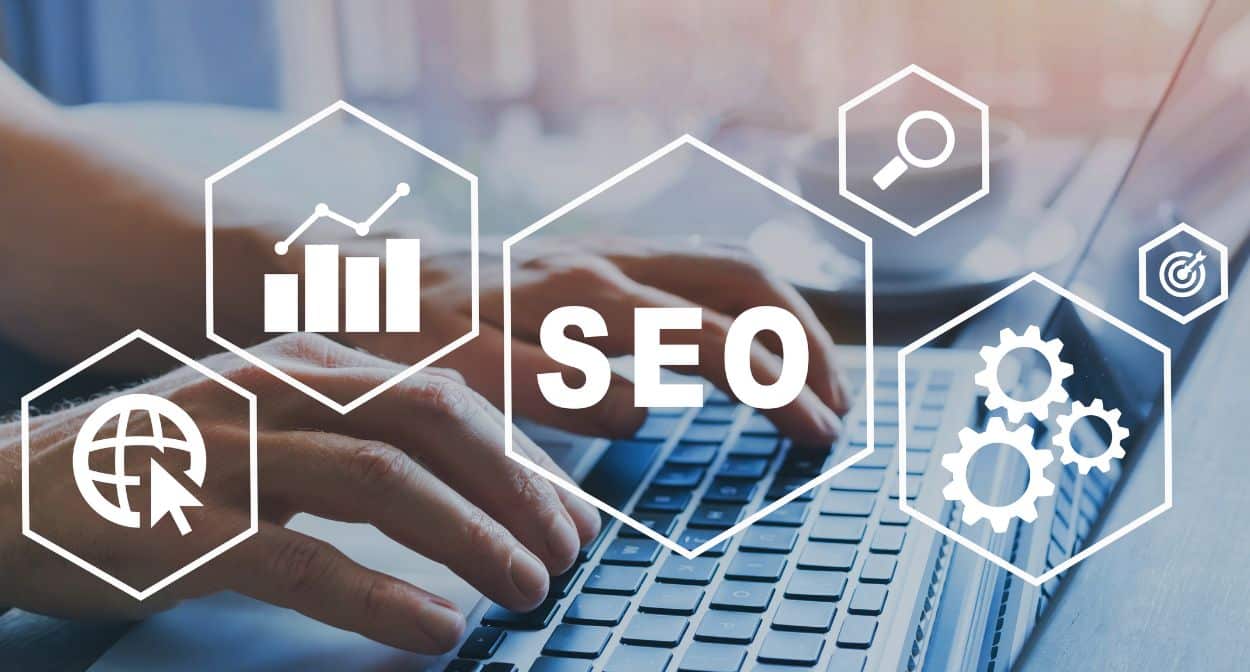
On-page SEO is all about optimizing elements on your website to make it easy for search engines to understand the content and rank it effectively. Here are some on-page tactics specific to epoxy flooring websites:

Title Tags and Meta Descriptions: Craft unique title tags for each page with the target keyword, keeping them concise and engaging. For example, a service page might have the title “Epoxy Flooring Services in [City] - Durable and Stylish Solutions.” Meta descriptions should be clear, persuasive, and include the target keyword to encourage click-throughs.

Header Tags (H1, H2, H3): Proper use of headers improves readability and gives search engines a clear hierarchy of information. The H1 tag should contain the main keyword (e.g., “Epoxy Flooring Services for Your Garage and Home”), while H2 and H3 tags should support it with relevant subtopics like “Benefits of Epoxy Flooring,” “Types of Epoxy Coatings,” and “Why Choose Our Services?”

Optimize Content for Keywords: Use primary and secondary keywords naturally throughout the content. For example, if the page is focused on “epoxy garage flooring,” mention this phrase a few times but avoid overusing it. Also, include LSI (latent semantic indexing) keywords—terms closely related to the main keyword, like “garage floor protection,” or “durable garage coating.”

Image Alt Text: Images on the website should include descriptive alt text with keywords. Instead of generic tags like “flooring,” use “high-quality epoxy garage floor coating.” Alt text helps with SEO and makes images more accessible.

Internal Linking: Use internal links to guide users to related pages, such as linking a blog post about “Maintaining Epoxy Floors” to the main “Epoxy Flooring Services” page. This improves website navigation and helps distribute authority across pages.

Mobile Optimization: Ensure your website is mobile-friendly, as Google prioritizes mobile-first indexing. Epoxy flooring companies can benefit from a responsive design that loads quickly on all devices, given that a large portion of users may be browsing on smartphones or tablets.

Off-Page SEO Tactics
Off-Page SEO Tactics

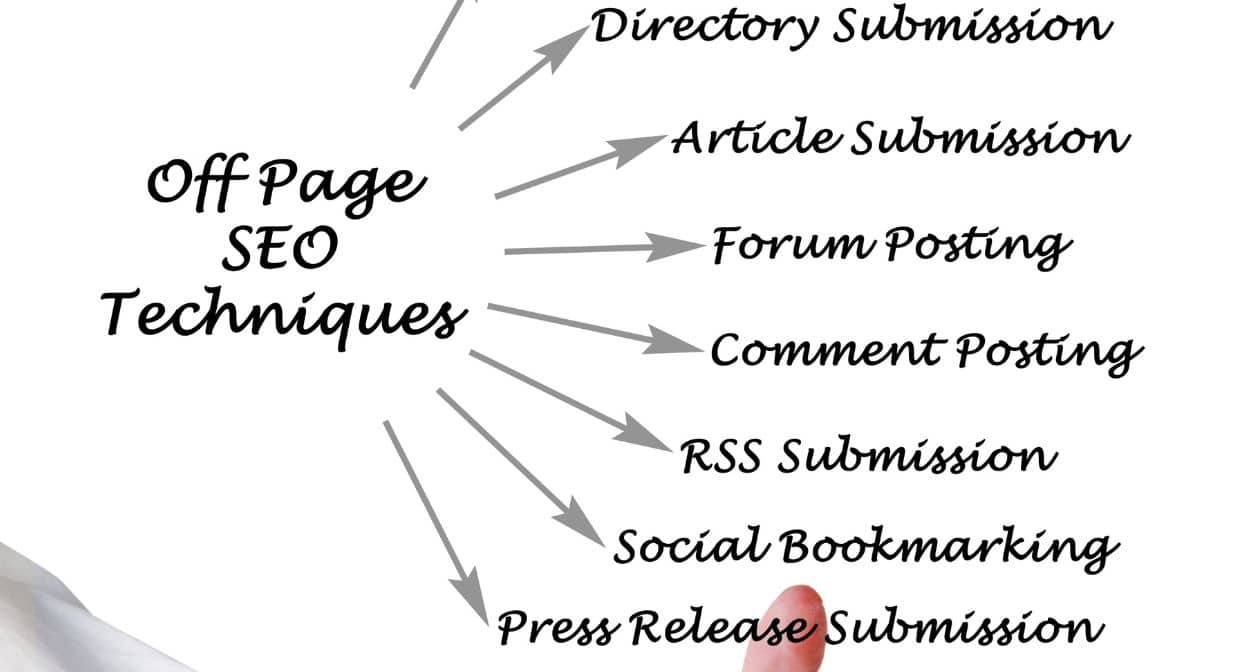
Off-page SEO refers to actions taken outside your website to improve rankings, such as building links and managing your online reputation.

Local Citations and Directories: List your epoxy flooring company in local directories like Yelp, Angie’s List, and Google My Business. Ensure consistency in your NAP (name, address, phone number) details across all listings to build local SEO authority.

Backlink Building: Earning backlinks from reputable websites signals to search engines that your site is trustworthy. You can do this by:

Social Media Engagement: Active social media accounts help drive traffic to your site and build brand awareness. Share project photos, customer testimonials, and educational content to engage followers and encourage shares, which can indirectly boost SEO.

Customer Reviews: Positive reviews on Google, Yelp, and other platforms improve your site’s authority and influence local rankings. Ask satisfied customers to leave reviews, and respond to both positive and negative feedback to show engagement and reliability.

Influencer Partnerships: If possible, partner with local influencers in the home improvement or real estate industry. Their endorsements can build credibility and drive traffic, enhancing off-page SEO efforts.

Optimizing Website Content to Rank Higher on Search Engines

Optimizing Website Content to Rank Higher on Search Engines

Effective content optimization helps epoxy flooring companies rank higher for relevant searches and attract the right audience. Here’s how to optimize content for better rankings:

Write High-Quality, Informative Content: Develop pages focused on specific services like “Epoxy Floor Installation for Garages” or “Residential Epoxy Flooring Solutions.” Blogs on related topics like “Benefits of Epoxy Flooring” or “How to Maintain Your Epoxy Floors” can further boost engagement.

Use Visuals and Videos: Epoxy flooring is a visually appealing service, so include high-quality images and videos of completed projects. Content like video walkthroughs of projects or time-lapse videos of installations can keep visitors engaged and improve rankings.

Update Content Regularly: Consistently add fresh content to the site to signal relevancy to search engines. Update older articles with new information, refresh images, and add internal links to new pages for continual optimization.

Optimize for Local Intent: Create location-specific pages if you serve multiple areas, such as “Epoxy Flooring in [City A]” and “Epoxy Flooring in [City B].” Include city-specific keywords in your content and meta tags to capture local searches.

Track SEO Performance: Use tools like Google Analytics and Search Console to track keyword rankings, user behavior, and traffic sources. Regularly analyze this data to identify areas of improvement and adjust your strategy accordingly.

Conclusion

By implementing these SEO strategies, epoxy flooring companies can improve their online presence, attract more customers, and increase conversions. Combining targeted keyword research, on-page and off-page tactics, and consistent content optimization ensures better visibility and drives more traffic from search engines.


Understanding the Target Audience for Epoxy Flooring Companies

Understanding the Target Audience for Epoxy Flooring Companies

To succeed in the epoxy flooring industry, it’s essential to understand who your potential clients are and what their specific needs may be. From residential homeowners to commercial businesses and industrial facilities, each audience has unique requirements and considerations. This guide explores the target markets for epoxy flooring companies, dives into the customer needs across various sectors, and provides insight into keyword targeting to attract the right audience.

Identifying Key Industries and Sectors That Require Epoxy Flooring

Identifying Key Industries and Sectors That Require Epoxy Flooring

Epoxy flooring is prized for its durability, ease of maintenance, and aesthetic versatility, making it suitable for a wide range of environments. However, certain industries are particularly well-suited for epoxy flooring solutions due to their operational requirements and safety standards. Here are some key sectors that epoxy flooring companies should focus on:

  • Industrial Facilities: Industrial environments—such as manufacturing plants, warehouses, and distribution centers—require flooring that can withstand heavy machinery, foot traffic, chemicals, and potential spills. Epoxy floors are highly resistant to these challenges and provide the added benefit of slip resistance, making them ideal for maintaining safety standards in industrial settings. Targeting keywords like “durable epoxy flooring for warehouses” or “chemical-resistant epoxy floors for manufacturing” can attract facility managers and maintenance heads in this sector.
  • Healthcare and Pharmaceutical: The healthcare and pharmaceutical industries demand flooring that is easy to clean, resistant to harsh chemicals, and antimicrobial. Epoxy floors meet these criteria, making them perfect for hospitals, clinics, laboratories, and clean rooms. Key phrases such as “antimicrobial epoxy flooring for healthcare” or “seamless epoxy floors for clean rooms” can help epoxy flooring companies reach decision-makers in the healthcare sector who prioritize hygiene and safety.
  • Food and Beverage: Food processing plants, breweries, commercial kitchens, and other food-related facilities must adhere to strict hygiene and safety standards, which is where epoxy flooring’s seamless, non-porous surface comes in handy. The flooring is resistant to moisture, stains, and temperature fluctuations, making it ideal for these environments. Keywords like “food-grade epoxy flooring” or “epoxy floors for commercial kitchens” will resonate with this audience.
  • Automotive and Aerospace: In the automotive and aerospace industries, epoxy floors are valued for their durability and resistance to oil, grease, and chemicals. Service centers, garages, and airplane hangars can all benefit from epoxy flooring’s ability to handle heavy loads and protect against corrosive substances. Phrases like “oil-resistant epoxy floors for garages” and “heavy-duty epoxy flooring for hangars” target this audience effectively.
  • Education and Retail: Schools, universities, and retail spaces look for flooring solutions that offer durability and aesthetic appeal. Epoxy floors come in customizable colors and designs, making them an attractive option for these institutions while still meeting the requirements for durability and low maintenance. Keywords like “colorful epoxy flooring for schools” or “epoxy floors for high-traffic retail spaces” can attract interest from facility managers in these sectors.
  • Residential Spaces: Epoxy flooring in residential applications is gaining popularity, particularly in garages, basements, and kitchens. Homeowners appreciate epoxy’s durability, customizable look, and the added value it can bring to a property. Targeted keywords for this market might include “epoxy garage floor coating” or “stylish epoxy floors for basements.”

Analyzing Customer Needs in Residential, Commercial, and Industrial Markets

Analyzing Customer Needs in Residential Commercial and Industrial Markets

Once target sectors have been identified, it’s important to understand the specific needs and priorities of customers within each segment. A nuanced understanding of these needs can help epoxy flooring companies craft tailored solutions, optimize marketing messages, and provide products that align with customer expectations.

  • Residential Market Needs: In the residential market, customers often look for epoxy floors that offer both aesthetic value and functionality. Homeowners prioritize durability for high-traffic areas, particularly in garages where they need a surface that can withstand weight, spills, and temperature changes. Additionally, many residential customers value customization, preferring epoxy floors that enhance their home’s visual appeal with options like metallic or terrazzo finishes. Epoxy companies targeting this market should emphasize customizable, stylish, and durable solutions in their marketing.
  • Commercial Market Needs: Commercial customers prioritize epoxy floors that are easy to maintain and provide a professional, polished appearance. Retail spaces, offices, and educational facilities often require visually appealing floors that can handle substantial foot traffic without quickly deteriorating. For commercial clients, epoxy flooring companies should focus on benefits such as long-lasting performance, low maintenance requirements, and aesthetic versatility. Additionally, offering color-matching options to align with company branding can be a strong selling point.
  • Industrial Market Needs: Industrial clients often need epoxy flooring that is extremely durable and resistant to chemicals, abrasions, and heavy machinery. Safety is also paramount, so epoxy flooring solutions with anti-slip properties are highly valued. In this market, epoxy flooring companies should highlight the durability, safety, and cost-efficiency of their solutions. By offering detailed information on how epoxy flooring withstands the rigors of industrial environments, companies can build trust and appeal to operations managers and facility owners.

Identifying Target Audiences by Keyword

Identifying Target Audiences by Keyword

SEO plays a crucial role in connecting epoxy flooring companies with potential customers. Here are some keyword strategies to consider for each target market:

  • Residential Market Keywords
    • “Garage epoxy floor installation”
    • “Stylish epoxy flooring for homes”
    • “Durable epoxy flooring for basements”
  • Commercial Market Keywords
    • “Epoxy flooring for retail spaces”
    • “Low-maintenance epoxy floors for schools”
    • “Office epoxy floor coatings”
  • Industrial Market Keywords
    • “Heavy-duty epoxy flooring for warehouses”
    • “Chemical-resistant epoxy floors for factories”
    • “Slip-resistant epoxy flooring for industrial use”

In addition to these primary keywords, using geographic modifiers (like “epoxy flooring services in [city]”) can help companies attract local leads. Long-tail keywords that incorporate specific benefits, like “cost-effective epoxy flooring for high-traffic areas,” can also draw in potential customers with particular needs or pain points.

Conclusion

Understanding the target audience is essential for any epoxy flooring company looking to succeed in today’s competitive market. By identifying key industries, analyzing customer needs, and implementing strategic SEO, epoxy flooring companies can effectively position themselves to attract and convert potential clients across residential, commercial, and industrial sectors. Tailored messaging and a targeted keyword strategy can ensure that the right customers find your services and recognize the unique benefits that epoxy flooring offers for their specific applications.

The Real Cost of Not Having a Steady Stream of Leads: Why Service Businesses Can’t Afford Feast or Famine

The Real Cost of Not Having a Steady Stream of Leads: Why Service Businesses Can’t Afford Feast or Famine

As a service business owner, you've likely experienced the high and low swings of "feast or famine." One month, you're overwhelmed with work, struggling to keep up. The next? The phone stops ringing, and suddenly, you're staring at an empty schedule, wondering where the next job will come from.

This cycle is typical in industries that rely on referrals, word of mouth, or sporadic marketing—like epoxy flooring installers and many other local service providers. However, many don’t realize that this cycle's costs go far beyond the stress of unpredictable workloads. A lack of consistent leads impacts every business area, from cash flow and growth to personal well-being.

Let’s dive into the hidden costs of inconsistent leads and explore how a steady pipeline of prospects can reverse these challenges.

The Feast or Famine Cycle: Why It Happens

The Feast or Famine Cycle

The feast or famine cycle typically starts innocently enough. You deliver excellent service, and word-of-mouth referrals start coming in. Business picks up, and soon, you’re swamped with projects. But here's the catch—when you're busy working, you're not marketing. You’re not actively building a pipeline for future jobs.

As projects wrap up, the scramble begins. Your previous clients aren't ready for repeat work, and without new leads coming in, you're stuck in a dry spell. You may find yourself taking on any job you can get—whether a low-paying gig or outside your preferred scope of work—just to keep the business afloat.

This reactive approach to business development creates a constant rollercoaster of ups and downs. As we'll see, the impacts of this inconsistency are felt far beyond your schedule.

The Financial Impact of Unpredictable Leads

The Financial Impact of Unpredictable Leads

Cash Flow Struggles

When leads aren’t consistent, neither is your income. You might be flush with cash one month, but you're scrambling to cover bills the next. This makes it nearly impossible to budget effectively or invest in the growth of your business. Without predictable revenue, you're stuck in survival mode—just trying to make it to the next project.

Take, for example, the need to upgrade your equipment. Let’s say you’re an epoxy flooring installer, and you’ve focused on a high-efficiency floor grinder that would allow you to complete jobs faster and with better results. But if your income is unpredictable, justifying a major purchase like this is tough. Instead, you’re forced to hold off, even though that new tool could help you take on more work and increase your profits.

Pricing Pressure

When jobs are scarce, the natural reaction is to lower your prices just to get the work. You might start accepting jobs for less than they’re worth simply to keep the lights on. Over time, this can damage your reputation and your profit margins. In industries like flooring installation or other skilled trades, low pricing can send the wrong message to potential clients—they may perceive your services as low-quality or assume you’re desperate for work.

Consistent lead flow, on the other hand, gives you the leverage to charge what you're worth. When your calendar is complete, you're not forced to accept lowball offers just to stay busy.

Growth Gets Stuck in Neutral

Growth Gets Stuck in Neutral

Lack of Predictability Means No Growth

To grow your business, you need to be able to plan. Whether that means hiring new team members, expanding your service offerings, or investing in new tools and training, growth requires a certain level of confidence in your future workload.

But without a steady stream of leads, planning for growth becomes nearly impossible. You can't confidently hire new staff if you don't know whether you can keep them busy. You can't invest in additional marketing or training if you're constantly worried about making it through the next dry spell.

One epoxy flooring installer shared how inconsistent work forced him to turn down larger commercial contracts because he lacked manpower. With no reliable way to forecast his workload, he couldn’t justify hiring a new crew—even though landing those big jobs could have been a game changer for his business.

The Hidden Personal Costs

The Hidden Personal Costs

The Stress of Uncertainty

Beyond the financial and business impacts, the most significant cost of inconsistent leads is its toll on your well-being. The stress of not knowing where the next job will come from can be overwhelming. You might find yourself working long hours on one project while worrying about what happens when it’s over. This stress doesn’t stay at the office—it follows you home, affecting your relationships and ability to enjoy life outside of work.

No Time Off

When work is unpredictable, taking time off becomes a luxury you can’t afford. Even if you can carve out a weekend for yourself, there’s always that nagging worry: “Will I have work lined up when I get back?” This kind of uncertainty prevents you from genuinely disconnecting and recharging, which can lead to burnout over time.

The Solution: Building a Consistent Pipeline of Leads

The Solution Building a Consistent Pipeline of Leads

So, how do you break free from this cycle? The answer lies in building a system that consistently brings in qualified leads, even when you're busy with current projects.

Automate Your Lead Generation

One of the most effective ways to create a steady lead flow is through automated marketing systems. Whether through online advertising, SEO, or a targeted social media strategy, automated systems work in the background to keep your pipeline full so you don’t have to pause your marketing efforts when you're busy.

For instance, a well-run Google Ads campaign can continuously bring in high-quality leads, even while you’re on a job site. Local SEO ensures that you're always visible when people in your area search for services like yours.

Nurture Leads Ongoing

Don’t rely on new leads—nurture the ones you already have. Email marketing campaigns, follow-up calls, and maintaining solid relationships with past clients can help you stay top-of-mind when they or someone they know needs your services. A client who was happy with their epoxy flooring project might not need another one for years, but they could be an excellent source of referrals.

Track and Adjust

The key to consistent lead generation is tracking what works and adjusting as needed. By paying attention to where your best leads are coming from—paid ads, SEO, or referrals—you can double down on what’s working and tweak what isn’t. This creates a feedback loop that continually improves your lead generation efforts, ensuring you stay ahead of the curve.

Conclusion: Consistency = Control

The actual cost of not having a steady stream of leads is far more than just an empty calendar. It impacts your cash flow, your ability to grow, and your well-being. By building a consistent pipeline of leads, you can take control of your business—choosing the jobs you want, growing at your own pace, and enjoying the peace of mind that comes with knowing your next project is always on the horizon.

Examine your lead generation strategy if you’re ready to break the feast or famine cycle. Investing in consistent, automated lead flow might be the key to unlocking a thriving, stress-free business.

Measuring Success: Essential Analytics for Lead Generation Landing Pages

Measuring Success: Essential Analytics for Lead Generation Landing Pages

In digital marketing, landing pages are critical to any successful lead-generation strategy. They serve as the first point of contact between potential customers and your business, designed to convert visitors into leads by capturing their information. However, creating an effective landing page is only the beginning. To ensure your landing pages are performing at their best, it’s essential to track the right metrics and analyze the data to optimize your efforts continually. This guide explores the most essential analytics for lead generation landing pages and how to leverage them to measure success and drive better results.

The Importance of Measuring Success

Without measuring your landing pages' performance, you’re flying blind. You may have a beautifully designed page with compelling copy, but if you’re not tracking the correct data, you won’t know whether it generates leads effectively. Analytics provide insights into how visitors interact with your landing page, what’s working, and what needs improvement. By understanding and analyzing these metrics, you can make informed decisions to enhance your landing pages, boost conversions, and ultimately achieve your lead generation goals.

1. Conversion Rate

Conversion Rate

The conversion rate is arguably the most critical metric for any lead generation landing page. It measures the percentage of visitors who complete the desired action, such as filling out a form or signing up for a newsletter. A high conversion rate indicates that your landing page effectively convinces visitors to take action, while a low conversion rate suggests something needs improvement.

Why It Matters: A high conversion rate indicates that your landing page aligns with your audience's needs and expectations. You can improve your conversion rate and generate more leads by continuously optimizing elements like headlines, CTAs, and form fields.

2. Bounce Rate

Bounce rate measures the percentage of visitors who land on your page and leave without interacting with it. A high bounce rate could signal that your landing page isn’t relevant to visitors, or it may indicate slow load times, confusing layouts, or unappealing content.

Why It Matters: A high bounce rate is a red flag that should prompt immediate investigation. You should refine your messaging, improve the design, or target a more relevant audience. Lowering your bounce rate is essential to keep visitors engaged and encourage them to convert.

3. Traffic Sources

Traffic Sources

Understanding where your traffic comes from is crucial for optimizing your lead generation strategy. Traffic sources are typically categorized into organic search, direct traffic, referral traffic, and paid traffic.

  • Organic Search: Visitors who find your page via search engines like Google.
  • Direct Traffic: Visitors who type your URL directly into their browser.
  • Referral Traffic: Visitors who come from other websites linking to your page.
  • Paid Traffic: Visitors who arrive through paid advertising campaigns.

Why It Matters: Analyzing traffic sources helps you understand which channels drive the most traffic and conversions. For instance, if organic search is your top traffic source but has a low conversion rate, you may need to optimize your SEO strategy. Conversely, you might consider increasing your ad spend if paid traffic converts well.

4. Time on Page

Time on page measures how long visitors stay on your landing page. A longer time on the page usually indicates that visitors are engaged with your content, while a short time on the page could suggest that your content isn’t resonating with them.

Why It Matters: Time on the page can provide insights into how effectively your content captures and holds the attention of your visitors. If visitors spend very little time on your page, consider revising your content to make it more engaging, adding multimedia elements like videos or infographics, or simplifying the messaging to make it more compelling.

5. Form Abandonment Rate

Form Abandonment Rate

The form abandonment rate measures the percentage of visitors who start filling out your lead capture form but leave before completing it. A high abandonment rate can indicate issues with your form, such as too many required fields, unclear instructions, or a lack of trust signals.

Why It Matters: A high form abandonment rate can severely impact your lead generation efforts. By optimizing your form (e.g., reducing the number of fields, adding progress indicators, or providing reassurances about data privacy), you can decrease abandonment rates and increase conversions.

6. Click-Through Rate (CTR) on CTAs

The click-through rate (CTR) on your call-to-action (CTA) buttons measures the percentage of visitors who click on your CTA compared to the total number of visitors. This metric provides insights into the effectiveness of your CTA in driving visitors to the next step in your funnel.

Why It Matters: A low CTR might indicate that your CTA isn’t compelling enough or is not prominently placed. To improve your CTR, consider testing different button designs, colors, text, and placement to see what resonates best with your audience.

7. Cost Per Lead (CPL)

Cost Per Lead

Cost per lead (CPL) is a crucial metric for understanding the financial efficiency of your lead generation efforts. It calculates the average cost to acquire a new lead through your landing page.

Why It Matters: Tracking CPL helps you assess the ROI of your lead generation campaigns. A high CPL may indicate that your campaigns could be more cost-effective, necessitating adjustments to targeting, ad spending, or landing page optimization to improve profitability.

8. Heatmaps and User Behavior Analysis

Heatmaps visually represent where visitors click, scroll, and spend the most time on your landing page. Tools like Hotjar or Crazy Egg can help you analyze user behavior and identify areas of your landing page that attract the most or least attention.

Why It Matters: Understanding how users interact with your page can reveal potential friction points and areas for improvement. For example, suppose a heatmap shows that users are clicking on non-clickable elements or not scrolling to crucial content. In that case, you may need to adjust your design or layout to enhance the user experience.

Conclusion

Measuring the success of your lead generation landing pages is essential for optimizing performance and driving better results. By focusing on critical metrics like conversion rate, bounce rate, traffic sources, time on page, form abandonment rate, CTR on CTAs, CPL, and user behavior analysis, you can gain valuable insights into what’s working and what needs improvement. Armed with this data, you can make informed decisions to refine your landing pages, enhance user experience, and increase conversions, ultimately boosting your lead generation efforts and achieving your business goals.

Tracking and analyzing these essential analytics will help you measure success and provide a roadmap for continuous optimization, ensuring your landing pages remain effective in a competitive digital landscape.

A/B Testing Strategies to Skyrocket Your Landing Page Conversion Rates

A/B Testing Strategies to Skyrocket Your Landing Page Conversion Rates

A/B testing, or split testing, is a powerful tool for optimizing landing pages and boosting conversion rates. By comparing two or more versions of a webpage to determine which performs better, businesses can make data-driven decisions that lead to higher conversions, better user experiences, and, ultimately, more revenue.

This guide will explore essential A/B testing strategies that significantly impact landing page conversion rates. From selecting the correct elements to test to analyzing the results, these strategies will help you unlock the full potential of your landing pages.

Understanding the Basics of A/B Testing

Before diving into specific strategies, it's essential to understand the fundamentals of A/B testing. The process involves creating two versions of a landing page (Version A and Version B) with a single element changed between them. Visitors are then randomly shown one of the versions, and their interactions are tracked to determine which version performs better based on a predefined goal, such as a click-through rate (CTR) or form submission.

The key to successful A/B testing is to change only one element at a time, ensuring that the results can be attributed to that change. For example, if you test both a new headline and a new CTA button simultaneously, it will be unclear which element led to any observed differences in performance.

Step 1: Identify Key Metrics and Goals

Identify Key Metrics and Goals

Establishing clear goals and metrics is crucial before launching any A/B test. What do you want to achieve with your landing page? Common goals include increasing the click-through rate, improving the conversion rate, reducing bounce rates, or boosting the average time spent on the page.

Once you’ve identified your goals, determine the key metrics you’ll use to measure success. For example, if your goal is to increase conversions, your primary metric might be the conversion rate. Defining these metrics upfront ensures that your tests are focused and that you can accurately assess their impact.

Step 2: Prioritize What to Test

With endless possibilities for elements to test, it’s essential to prioritize those that are most likely to impact your conversion rates. Here are some key areas to consider:

Headlines: Your headline is critical in capturing attention as it is the first thing visitors see. Test different headlines to see which resonates most with your audience.

Call-to-Action (CTA) Buttons: Your CTA buttons' design, placement, and wording can significantly affect conversion rates. Experiment with different colors, sizes, and text.

Images and Visuals: Visual elements can evoke emotions and guide user behavior. Test hero images, product photos, or background images to find the most engaging option.

Form Fields: The number and type of form fields can influence the likelihood of a visitor completing a form. Test shorter forms versus longer ones or even the order of fields.

Value Proposition: How you present your value proposition can make or break a conversion. Experiment with different messaging, highlight benefits versus features or include customer testimonials.

Social Proof: Trust signals like testimonials, reviews, and badges can boost credibility. Test their placement, wording, or even whether they’re included at all.

Layout and Design: Sometimes, a simple change in layout or design can have a big impact. Test layouts, spacing, and font sizes to see what works best.

Step 3: Create Hypotheses

Create Hypotheses

Once you’ve identified the elements you want to test, it’s time to formulate your hypotheses. A good hypothesis clearly states what you’re testing, what changes you expect, and why. For example:

Hypothesis: Changing the headline from “Affordable Web Design Services” to “Get High-Quality Web Design at a Fraction of the Cost” will increase the conversion rate by 10% because it emphasizes the value proposition more clearly.

Hypothesis: Reducing the number of form fields from five to three will increase form submissions by 15% because it reduces user friction.

Formulating hypotheses helps ensure your tests are purposeful and aligned with your goals.

Step 4: Run the Test

With your hypotheses, it’s time to set up and run your A/B test. Here’s how:

Choose a Testing Tool: Many tools, including Google Optimize, Optimizely, and VWO, are available to help you conduct A/B tests. Choose one that fits your needs and budget.

Define Your Test Parameters: Determine the duration of your test, the traffic split (e.g., 50/50), and the sample size needed to achieve statistical significance. The larger your sample size, the more reliable your results will be.

Implement the Test: Using your chosen tool, create the two landing page versions and set up the test. Make sure all tracking and analytics are correctly configured.

Monitor the Test: While the test is running, monitor its performance to ensure no technical issues. However, avoid making changes until the test is complete, as this could skew the results.

Step 5: Analyze the Results

Analyze the Results

Once the test has concluded, it’s time to analyze the results. Most A/B testing tools provide detailed reports that show which version performed better and by how much. Look for statistically significant differences between the two versions. A result is considered statistically significant if it’s unlikely to have occurred by chance, usually at a 95% confidence level.

In your analysis, focus on the metrics that align with your goals. For example, if you were testing headlines to increase conversions, compare Version A and B conversion rates. If one version outperforms the other, you have a winner.

Step 6: Implement the Winning Variation

If your test results are statistically significant, you can confidently implement the winning variation across your landing page. This change should now help improve your conversion rates. However, A/B testing is an ongoing process. Continue testing other elements to optimize your landing page.

Step 7: Iterate and Optimize

Iterate and Optimize

One of the biggest mistakes businesses make with A/B testing is stopping after a single test. Continuous optimization is critical to achieving long-term success. Once you’ve implemented the winning variation, test other elements to enhance your landing page’s performance further.

Best Practices for A/B Testing

To maximize the effectiveness of your A/B testing efforts, keep the following best practices in mind:

Test One Element at a Time: Isolating individual elements ensures that you can attribute changes in performance to a specific factor.

Run Tests Long Enough for Statistical Significance: Don’t rush your tests. Allow enough time to gather sufficient data to make a confident decision.

Segment Your Audience: Consider running tests on specific audience segments to understand how different groups respond to changes. For example, new visitors might react differently than returning visitors.

Document Your Tests: Keep detailed records of each test, including the hypothesis, test duration, results, and insights. This documentation can guide future tests and help you avoid repeating past mistakes.

Avoid Seasonal Bias: Ensure that external factors, such as holidays or special events, don’t skew your test results.

Common Pitfalls to Avoid

Common Pitfalls to Avoid

While A/B testing is a powerful tool, it’s not without challenges. Here are some common pitfalls to watch out for:

Testing Too Many Elements at Once: Testing multiple changes simultaneously can lead to confusion about what caused the results. Stick to one element at a time.

Ending Tests Too Early: It’s tempting to end a test as soon as you see positive results, but premature conclusions can lead to inaccurate insights.

Ignoring Minor Improvements: Even small gains can add up over time. Don’t dismiss a variation just because it didn’t produce a dramatic increase.

Failing to Consider User Experience: Focus on more than just conversion rates. Ensure that the changes you make also enhance the overall user experience.

Conclusion

A/B testing is essential for optimizing landing pages and improving conversion rates. By systematically testing different elements and analyzing the results, you can make data-driven decisions that lead to significant improvements in performance. Remember, A/B testing is ongoing, and continuous optimization is critical to long-term success. Implement these strategies, and watch your landing page conversion rates skyrocket.