



Email marketing remains one of the most effective ways to engage with customers, retain them, and generate leads. With strategic content, targeted segmentation, and automation, businesses can ensure that their message is delivered to the right audience at the right time. Here are key strategies to help maximize the impact of email marketing on both customer retention and lead generation.
1. Creating Engaging Email Newsletters and Promotions
Email newsletters and promotional emails are powerful tools for staying top-of-mind with existing customers while also attracting new leads. To create an effective email newsletter:
- Provide Valuable Content: Include industry news, helpful tips, how-to guides, or product recommendations that align with your audience’s interests.
- Use Engaging Visuals: Balance text with engaging visuals to make the newsletter appealing and easy to read. Photos, infographics, and even short video clips can boost interaction rates.
- Highlight Promotions: Provide exclusive deals, discounts, or early access to products and services. Limited-time offers or holiday sales can also drive higher engagement.
- Include a Clear CTA: Each email should have a strong call-to-action (CTA), whether it's to read a blog, shop a sale, or sign up for a webinar. This guides subscribers on what action to take next.
Example: A fitness company might send monthly newsletters with workout tips, healthy recipes, and links to relevant blog posts. Including a 10% discount for subscribers encourages repeat purchases and keeps the brand top-of-mind.
2. Following Up with Leads Who Don’t Close Immediately

For leads that don’t convert right away, email follow-up sequences are essential. When structured well, follow-up emails can nurture relationships and gradually move leads through the sales funnel.
- Identify High-Intent Actions: Identify when a lead shows high intent, such as adding an item to their cart, attending a webinar, or downloading an ebook. Send follow-up emails that address their interests and offer further incentives to encourage conversion.
- Build Trust Gradually: Create a series of emails that demonstrate the brand’s expertise and credibility. Highlight customer testimonials, case studies, or relevant success stories to build trust.
- Offer a Soft Sell: Rather than using aggressive sales language, focus on educating and providing solutions to their problems. Sometimes, a gentle nudge is all that’s needed to win over a lead.
- Personalize Follow-Ups: Using data to personalize emails can make follow-ups more effective. For instance, addressing a lead by name, referring to a recent action they took, or suggesting a product they viewed can show that you understand their unique interests.
Example: A software company might send a reminder email to users who signed up for a free trial but haven’t made a purchase. The follow-up could highlight features they haven’t tried yet, offer extended support, and include a discount to entice them.
3. Segmenting Email Lists for Targeted Campaigns
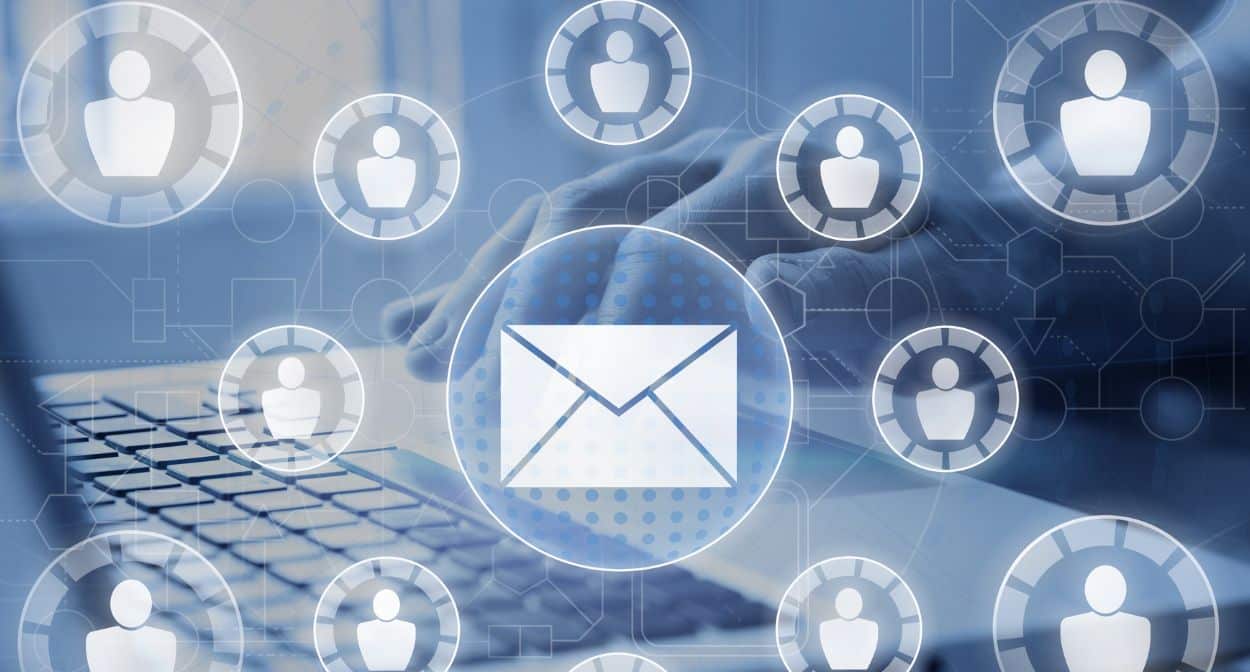
Segmenting email lists allows businesses to tailor their messages to specific groups, improving the relevance and effectiveness of each campaign. Segmentation involves dividing subscribers based on demographics, interests, behaviors, or purchase history.
- Demographic Segmentation: Divide the email list by age, gender, location, or other demographic factors to personalize content that appeals to each group. For example, younger subscribers might prefer more visual content and social media links, while older subscribers might appreciate detailed product information.
- Behavioral Segmentation: Segment customers based on their purchasing behavior, such as first-time buyers, repeat customers, or those who have abandoned their carts. Tailoring content to these groups increases the chance of conversions.
- Interest-Based Segmentation: Send tailored content based on subscriber preferences, which can be gathered through surveys, website behavior, or sign-up forms. For instance, a clothing retailer could create separate email campaigns for subscribers interested in women’s fashion versus those interested in men’s wear.
- Engagement Levels: Create re-engagement campaigns for inactive subscribers and reward frequent purchasers with exclusive offers.
Example: An online book retailer could segment its list by genre preferences (e.g., mystery, fantasy, self-help). Each group would receive tailored newsletters with recommendations and upcoming book releases within their favorite genres.
4. Leveraging Automation and Personalization Techniques

Automation and personalization can take email marketing to the next level. With automated workflows and personalized content, businesses can create more meaningful interactions that feel customized to the individual.
- Welcome Sequences: Automatically send a welcome email when someone subscribes. This can introduce them to the brand, share popular content, and offer a discount for first-time purchases.
- Drip Campaigns: Set up a series of automated emails that guide new subscribers or leads through a journey. For instance, a drip campaign might introduce new users to different product features over several days, helping to onboard them more effectively.
- Cart Abandonment Emails: For eCommerce businesses, cart abandonment emails remind customers of items they’ve left behind, often with a discount to encourage completion.
- Personalized Recommendations: Use AI and data analytics to suggest products based on past purchase behavior. This can increase customer satisfaction and lead to more sales.
- Dynamic Content: Show different content in emails based on the recipient’s preferences or past interactions. For example, an email could include images of products they’ve recently viewed or articles similar to those they’ve read on the website.
Example: A skincare brand could send automated emails to a customer after a purchase. The first email might thank them for their purchase and suggest related products. A follow-up email a week later could offer tips on how to use the product or even a discount on their next order.
Conclusion
Email marketing for customer retention and lead generation requires a strategic approach that combines engaging content, follow-up sequences, list segmentation, and personalization. By understanding your audience’s needs, providing relevant information, and delivering it at the right time, you can boost engagement, build stronger customer relationships, and increase conversions. Leveraging these strategies will help businesses stay connected with both existing customers and new leads, ultimately driving long-term growth and success.