

Expanded Your Business Next Door? Don’t Make This Critical Google Profile Mistake.

Expanded Your Business Next Door? Don’t Make This Critical Google Profile Mistake.

Your business is thriving. So much so, you’ve just expanded by purchasing or leasing the storefront right next door. Congratulations! This is a huge milestone.

After the paperwork is signed and you get the keys, your first marketing instinct is to go to Google and "claim" your new address.

Stop right there.

This is a critical moment for your local SEO, and your next move will either strengthen your online presence or create a confusing digital mess that can hurt your business for years. As someone who works with business owners on this exact issue, I want to share the right way to handle it.
The Core Principle One Business One Profile

The Core Principle: One Business, One Profile

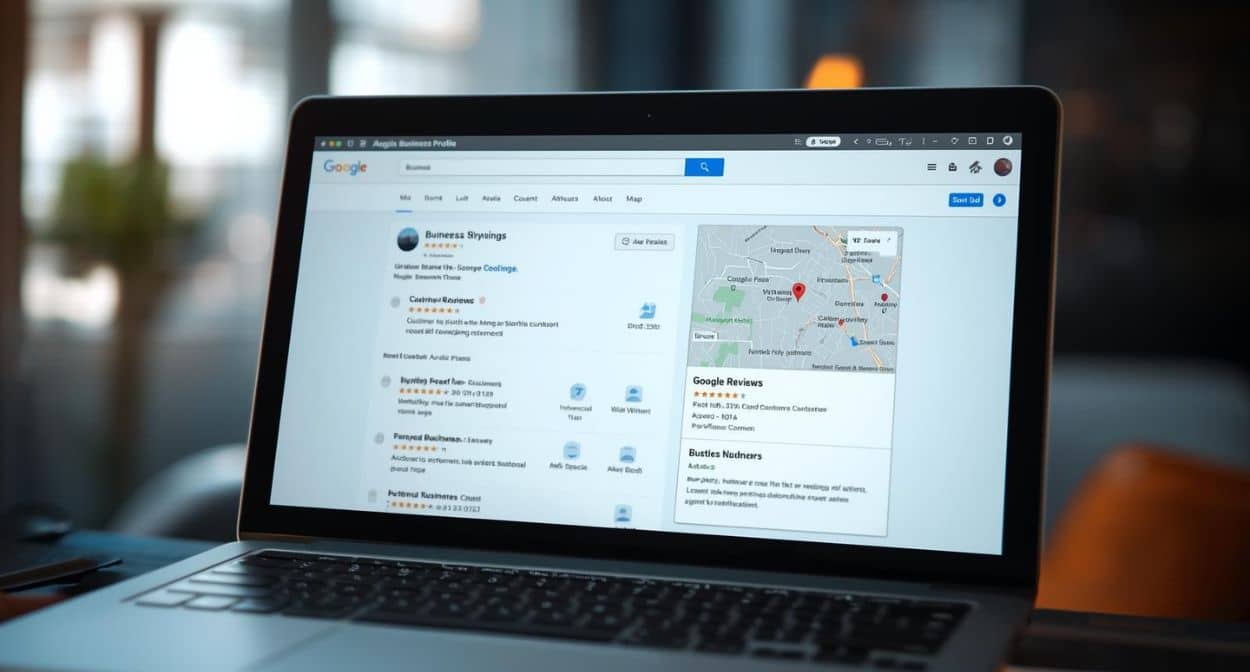
Google's most important rule for local businesses is simple: One contiguous business gets one Google Business Profile (GBP). Even if you have two separate lot numbers, two front doors, or two legal addresses, you are operating as a single company. Creating a second GBP for your new space is one of the most common—and damaging—mistakes an expanding business can make. It's crucial to consolidate your strength, not dilute it.

Why Creating a Second Profile is a Mistake

Why Creating a Second Profile is a Mistake

It Splits Your SEO Power

Your reviews, photos, ranking authority, and customer history are all tied to your original GBP. A new profile starts from zero, effectively cutting your online reputation in half.

It Confuses Customers

Which door do they use? Which profile do they leave a review on? This confusion can lead to frustration and lost customers.

It Invites Google Penalties

Google sees two profiles for one business as a "duplicate listing." This can cause one or both of your profiles to be suspended or have their ranking suppressed.

Step 1 Neutralize the Ghost Listing

Step 1: Neutralize the "Ghost Listing"

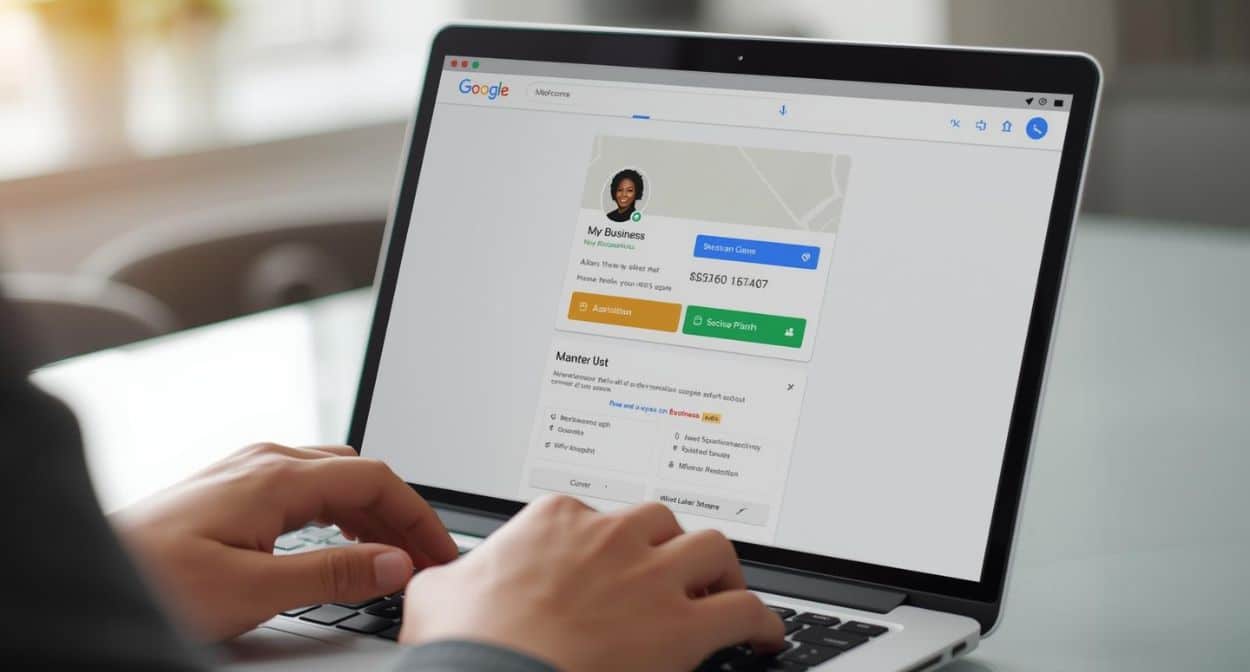
Before you announce your expansion, you must deal with the past. The business that was in your new space before you probably still has a Google Business Profile—a "ghost listing." First, search on Google Maps for the exact business name and address of the former tenant. Then, on their public profile, click "Suggest an edit" and choose the option to "Close or remove," selecting "Permanently closed" as the reason. This step is non-negotiable. It cleans the slate, prevents old customers from showing up confused, and tells Google that a new era has begun at that address.
Step 2 Update Your Existing Google Profile

Step 2: Update Your Existing Google Profile

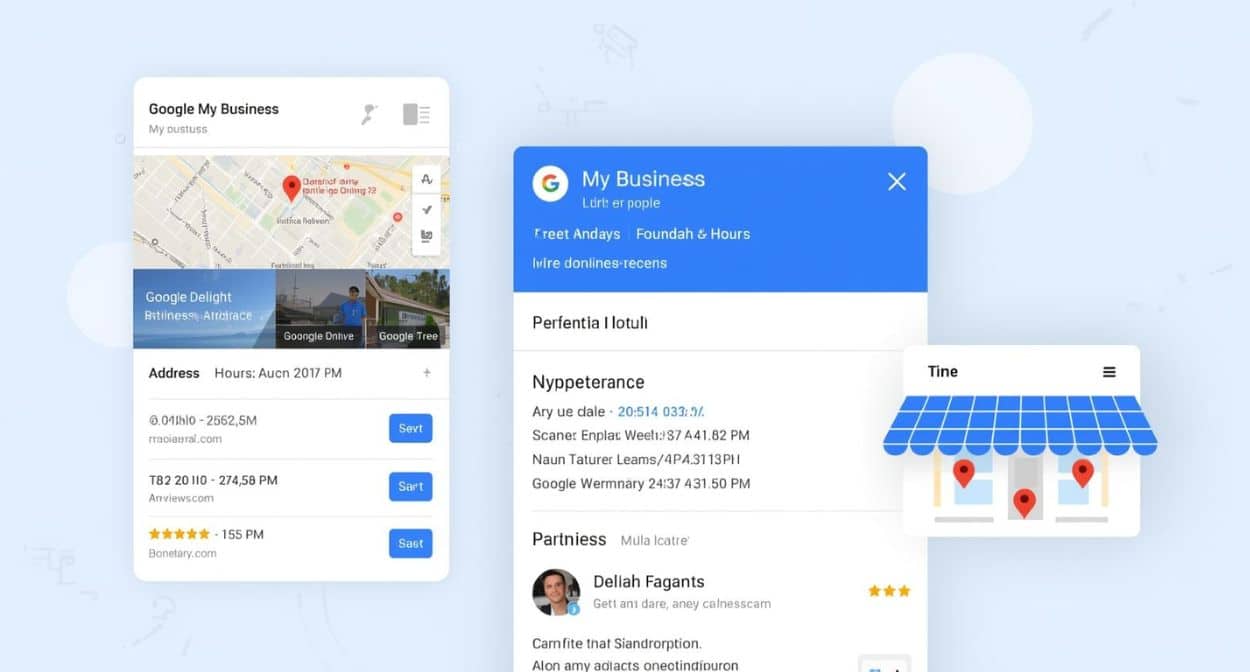
All your updates will happen on your original, established GBP. Do not change your primary address. Instead, use your profile's features to tell the story of your growth.

Update Your Description

Go to your profile's "Info" section and edit your business description. Add a sentence like: "We're thrilled to announce our expansion into the space next door! This allows us to offer [new services, more products, a larger waiting area, etc.]. Our main entrance remains at [Your Original Address]."

Upload New Photos (Your Most Powerful Tool)

Photos are proof. Take and upload high-quality pictures of the exterior showing both storefronts, new signage covering both units, and photos of the newly renovated and connected interior spaces.

Create a "What's New" Post

Use the Google Posts feature to create a formal announcement. Title it "We've Expanded!" and include your best photo of the new, larger space to showcase the change.
Step 3 Broadcast the News Everywhere Else

Step 3: Broadcast the News Everywhere Else

Your GBP is the centerpiece, but your entire digital footprint needs to be consistent.

Your Website

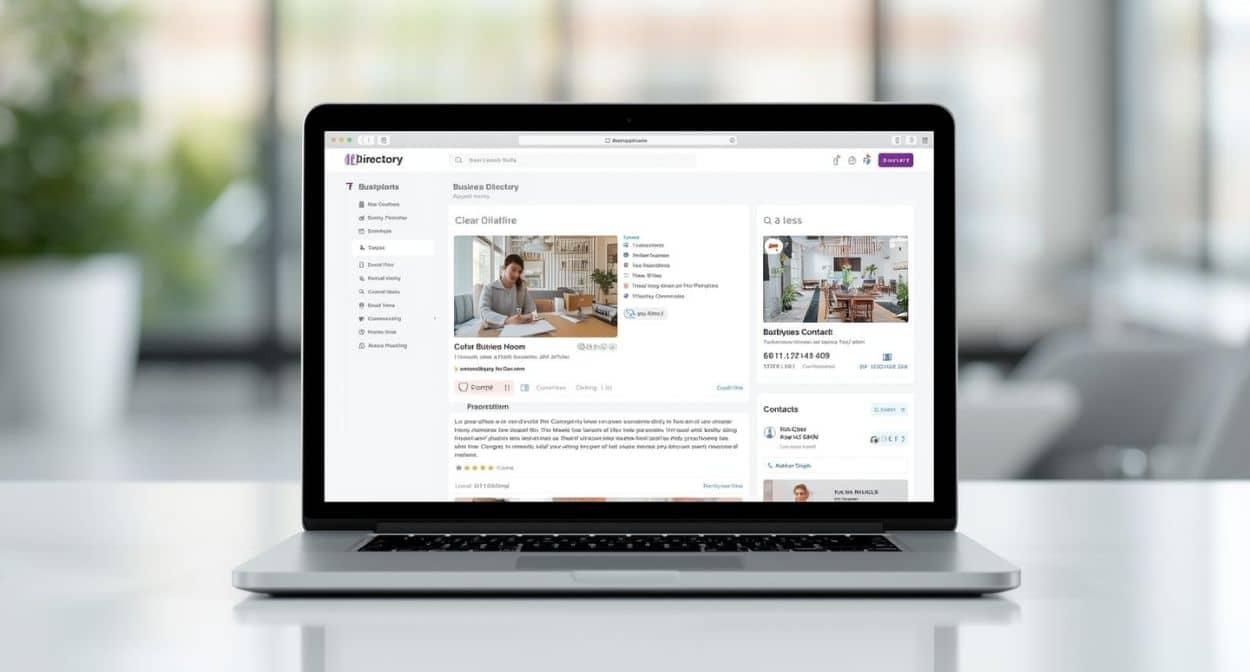
Your "Contact Us" page should still list your single, primary address. Create a blog post or a banner on your homepage announcing the expansion to inform your website visitors.

Online Directories

Ensure your listings on Yelp, Angi, and other industry sites all use your primary business address. Consistency is key for local SEO and builds trust with search engines.

Physical Signage

Don't underestimate the power of real-world signals. Invest in clear, professional signage that spans both properties, making it obvious you are one, unified business. Google's own Street View cars will eventually see this and use it to confirm the information.
The Takeaway Grow Smarter

The Takeaway: Grow Smarter

Expanding your physical space is a sign of success. By managing your digital presence as thoughtfully as your physical one, you ensure that growth translates directly into a stronger online reputation, better search rankings, and a clearer, more professional image for your customers. Consolidate, don't duplicate. That's how you win.
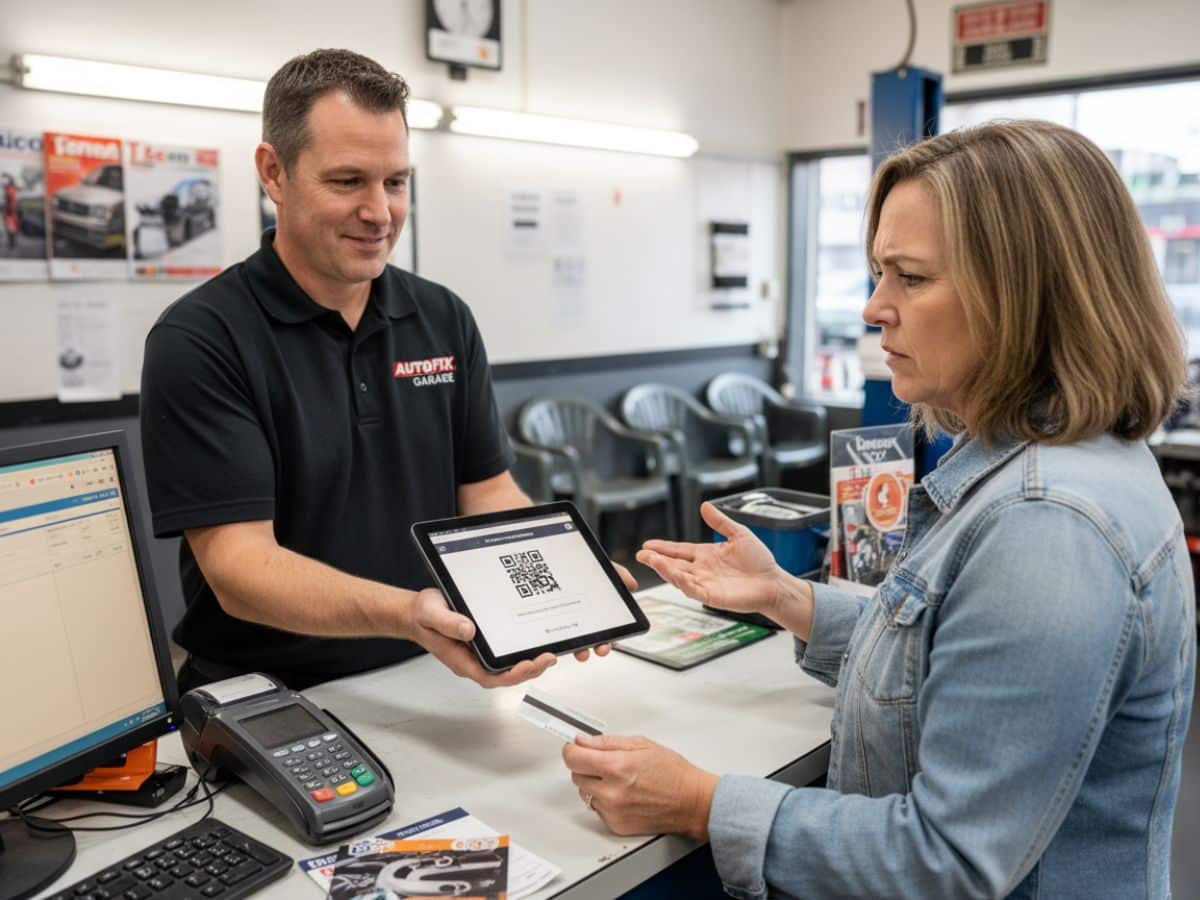
Is Your Staff Asking for Reviews at the Checkout Counter? Stop Now.

Is Your Staff Asking for Reviews at the Checkout Counter? Stop Now.

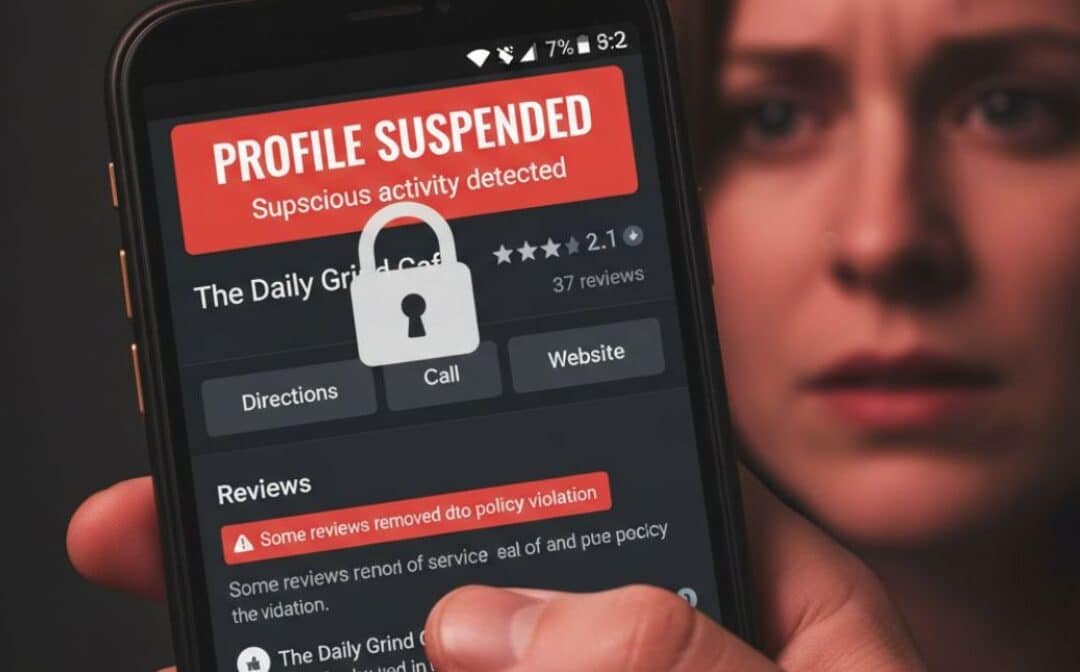
Imagine waking up one morning to find 800 of your hard-earned Google reviews had vanished overnight. Poof. Gone. For one business, this wasn't a bad dream—it was a reality. Their profile went from 1,200 reviews to 400, and Google slapped a 30-day restriction on their account, preventing any new reviews from coming in.

What was their crime? Something you might be doing right now: asking customers for a review at the point of sale.

I’ve been seeing this pop up more and more. Experts in the SEO world I follow, like Barry Schwarz and Mike Blumenthal, are reporting a huge spike in Google Business Profile suspensions. Google is cracking down, and while they’re targeting spammers, many legitimate business owners are getting caught in the crossfire because of this one simple mistake.

The Violation: Pressuring Customers at Checkout

pressuring for reviews

The whole issue comes down to Google's "Fake Engagement Policy." In their eyes, asking someone for a review while they’re standing at the register, phone in hand, is a form of pressure. It doesn’t feel voluntary to them.

The case I mentioned earlier was brought to light by Google Business Profile expert Claudia Tomina. The business wasn't just losing reviews; they also had a warning banner placed on their profile telling the world that "suspicious reviews were removed." Talk about a blow to your brand integrity.

So, what exactly is triggering these suspensions?

  • A Rush of Reviews: The business that lost 800 reviews was only two months old but had already racked up 1,500. A massive number of reviews in a short time looks suspicious to Google.
  • Location, Location, Location: If dozens of reviews all come from the exact same physical location (i.e., your business address), it raises a red flag. This often happens when businesses use a QR code at the register. It’s the digital version of having multiple reviews come from the same IP address, which has always been a no-no.
  • Competitors Reporting You: Google maintains a "report business conduct form" primarily used for reporting "fake review generation." One of the specific concerns a user can report on this form is "pressuring people to leave reviews." So yes, your competitors (or even disgruntled customers) can report this activity directly to Google.

How to Stay Safe and Still Get Reviews

reviews after the sale

Look, I get it. The best time to ask for a review feels like the moment a happy customer has just paid. But you can’t risk your business profile. It’s some of the most valuable real estate in the world because it exists in your customers' minds.

So, what’s the solution? It’s simple: follow up with your customers after the sale.

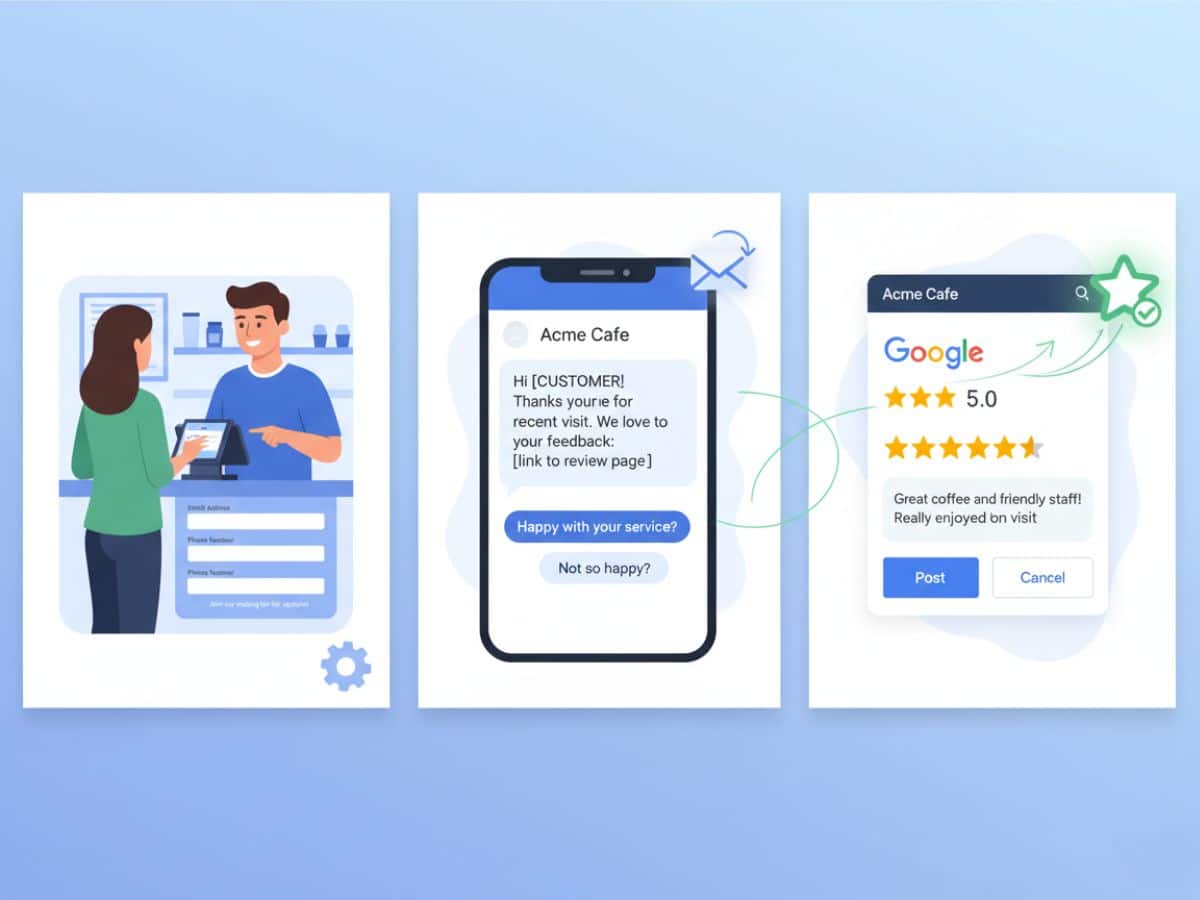
Local SEO specialist Larry James puts it best: this is the only truly ethical way to ask. It means you need a system to collect a customer's email or phone number during the transaction. Then, a few hours or a day later, an automated message can go out asking for their honest feedback. This gives the customer space, removes any sense of pressure, and keeps you safely within Google's guidelines.

The rules under the Fake Engagement Policy are straightforward:

  • Don't offer discounts or freebies for reviews.
  • Don't try to filter out negative reviews.
  • Don't pressure people at the checkout counter.

If your profile has already been suspended, don’t panic. A Google expert noted that many businesses get their profiles "brought back" after they learn the rules, fix the mistake, and appeal. Often, it was just an honest "boo boo."

Use a Reputation Management System

We actually have a Reputation Management System that can email or text customers after the sale to leave a review, either automatically or manually. Please contact me for more information.

reputation management system

My advice? Take five minutes today and review your process. Talk to your staff. Make sure everyone on your team understands that asking for a review at the register is no longer an option. It’s a simple change that can protect your brand and ensure your hard-earned reputation stays intact.

The Art of Website Design: Everything is a Remix

The Art of Website Design: Everything is a Remix

I recently watched Kirby Ferguson's fascinating TED Talk on how "everything is a remix," and it completely changed how I approach website design for my small business clients. Ferguson argues that creativity isn't about conjuring something from nothing, but rather about copying, transforming, and combining existing elements into something new.

TED TALK: Creativity is a remix | Kirby Ferguson

As I reflected on my decade of designing websites for local businesses, I realized this framework perfectly describes the creative process I use when crafting the perfect online presence for my clients. Let me share how these principles apply to website design and why this matters for your business.

Copy: Finding Inspiration in What Works

Copy Finding Inspiration in What Works

When I start designing a website for a new client—whether it's a local bakery, law firm, or plumbing service—I always begin with research. I spend hours examining websites from both inside and outside their industry, identifying elements that resonate with their target audience. This isn't about copying others' work—it's about understanding what's effective.

In website design, we all stand on the shoulders of giants:

  • I study successful layouts that guide visitors naturally toward important information
  • I collect color schemes and typography combinations that evoke the right emotional response
  • I observe how similar businesses structure their content to address customer questions

When a restaurant owner worries about having a "unique" website, I often explain that customers actually prefer familiar navigation patterns. They want to find your menu, hours, and location without learning a new interface. The most successful small business websites aren't completely novel—they thoughtfully adapt what works.

Transform: Making Your Website Uniquely Yours

Of course, simply drawing inspiration isn't enough. The magic of great website design happens in transformation—adapting proven elements to reflect your unique business identity.

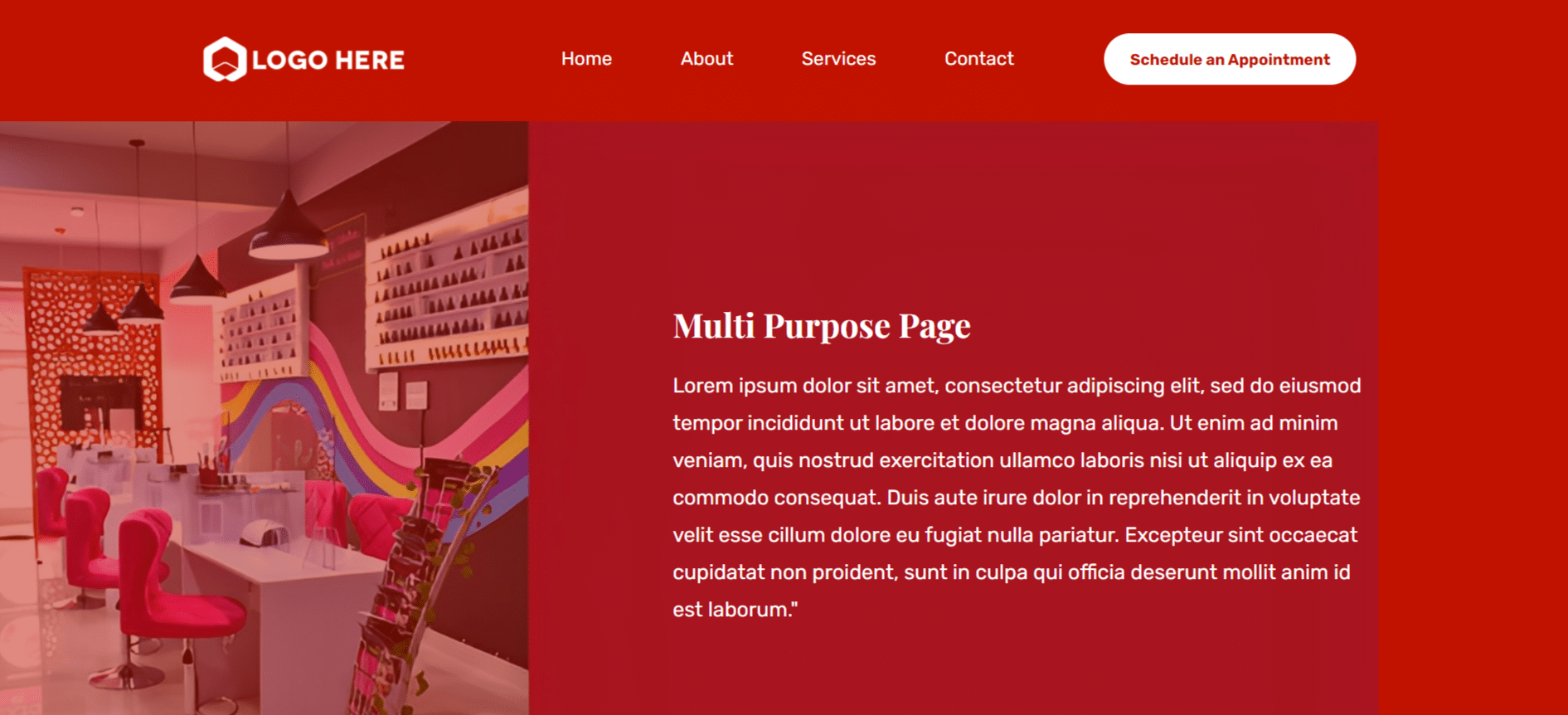
Before:

before

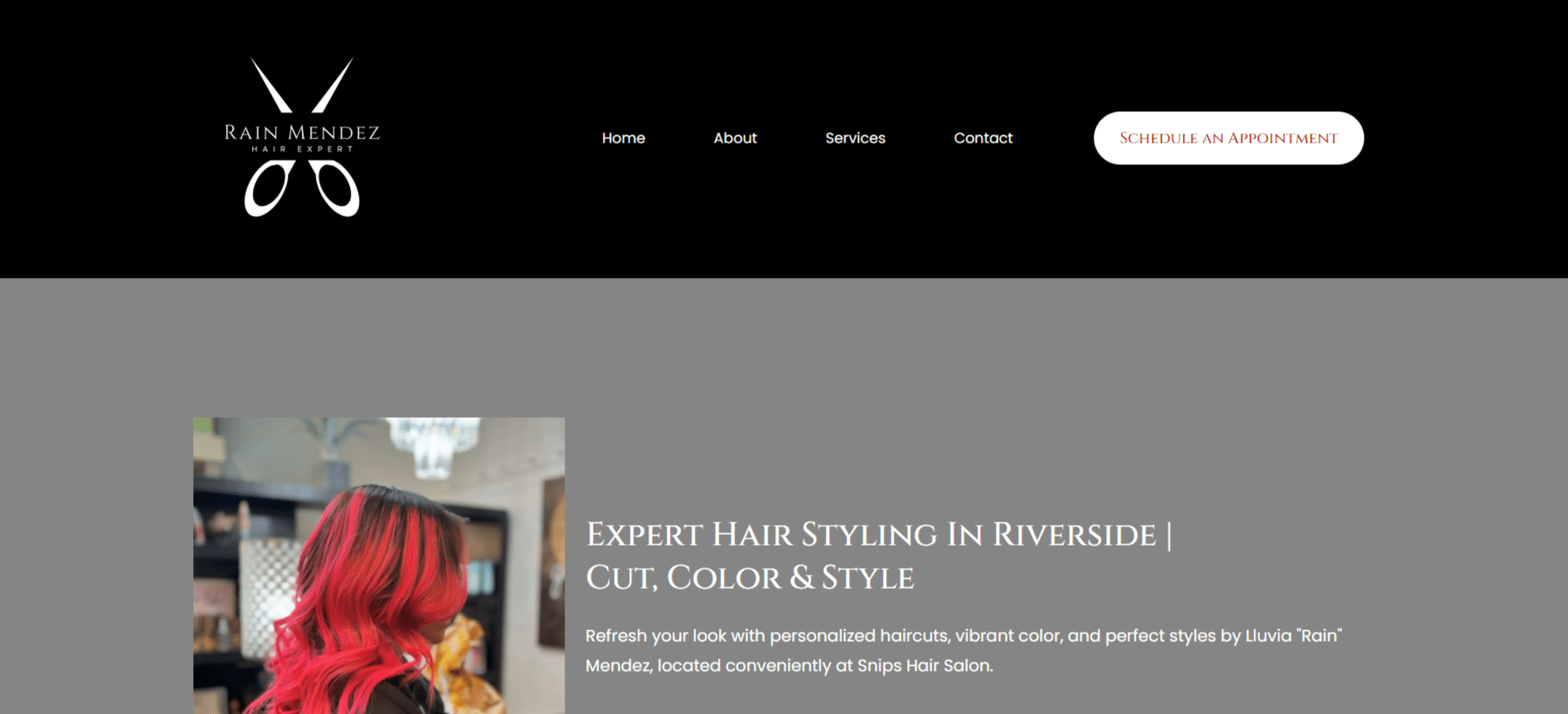
After:

after

When I designed a website for a local hair stylist last month, I started with a popular layout that customers would find intuitive. But I didn't stop there:

  • I modified the color palette to match their storefront's distinctive aesthetic
  • I customized the typography to reflect their upscale yet approachable brand voice
  • I adapted the product presentation to highlight the craftsmanship they pride themselves on
  • I adjusted the mobile experience to serve their predominantly smartphone-using customers

This transformation process is where your business personality shines through. While the underlying structure might feel familiar to visitors (making it easy to navigate), the final product feels distinctly yours because it's tailored to your business values, customers, and offerings.

Combine: Creating a Cohesive Customer Experience

The most creative part of website design lies in combination—bringing together various elements to create a cohesive experience that works for your specific business needs.

Combine Creating a Cohesive Customer Experience

For a family-owned RV repair shop I recently worked with, their website needed to:

  • Showcase their extensive service offering without overwhelming visitors
  • Highlight their knowledgeable staff (their key differentiator from generic mechanics)
  • Make it easy for RV owners to find what they need quickly
  • Emphasize their commitment to customer service and company history

By thoughtfully combining service-specific landing pages, an informative blog with RV-specific resources, and clear call to action sections, we created something unique, not because each element was revolutionary, but because they were combined in a way that perfectly reflected this specific business.

This combination approach allows your website to feel fresh and distinctive without reinventing the wheel. It's about selecting and integrating the correct elements for your business story.

Embracing the Remix Mindset for Your Business Website

Embracing the Remix Mindset for Your Business Website

Adopting this "remix" perspective can be incredibly freeing for small business owners. Many of my clients initially worry that their website won't stand out or, conversely, that it will be too experimental and confuse customers.

Understanding design as a remix helps find that perfect balance. Some of my most successful small business websites have emerged from this approach:

  • A local accounting firm whose website borrowed the clean, confidence-inspiring layout of major financial institutions but combined it with warm, personalized content and staff stories
  • A neighborhood café that adapted e-commerce product presentation techniques to showcase their menu items in a mouth-watering way
  • A family dental practice whose website combined medical professionalism with the welcoming atmosphere of hospitality sites

Your Business Story Through Thoughtful Design

Your Business Story Through Thoughtful Design

What makes your business special isn't necessarily revolutionary—it's your unique combination of products, services, values, history, and people. Your website should reflect this through thoughtful design choices.

When I work with small business clients, I help them identify their distinctive elements and then find the right design approaches to highlight them. We're not starting from scratch; we're crafting a remix that tells your specific business story in a way that resonates with your customers.

Final Thoughts for Small Business Owners

If you're a small business owner feeling overwhelmed by website design decisions, take heart. Remember that even the most impressive business websites are thoughtful remixes of existing ideas.

What matters isn't having a completely revolutionary website, but rather how well your site communicates your unique business value through smart adaptation of proven design elements. Your specific offerings, customer relationships, and business personality will naturally lead to a distinctive website when approached thoughtfully.

So embrace the remix approach to your website design. Look at sites you admire, identify elements that would work for your business, and find creative ways to adapt them to tell your specific story. That's not just how effective websites are built—it's how businesses successfully connect with customers online.

Are you planning a new website for your small business? I'd love to hear about your vision and help you navigate the design process. Reach out for a free consultation where we can discuss how to create the perfect online presence for your unique business.

Local Keyword Research: The Ultimate Guide for Service Businesses

Local Keyword Research: The Ultimate Guide for Service Businesses

In today's digital landscape, local businesses face unique challenges when it comes to online visibility. While major corporations can throw massive budgets at broad marketing campaigns, local service businesses need to be more strategic with their resources. This is where local keyword research becomes your secret weapon for attracting the right customers in your area.

What Is Local Keyword Research?

What Is Local Keyword Research

Local keyword research is the process of identifying and analyzing the specific search terms that potential customers in your geographic area use when looking for services like yours. Unlike general keywords, local keywords have a geographic component that comes in two main forms: explicit and implicit local keywords.

Explicit local keywords directly include location names in the search term, such as "plumber in Boston" or "Chicago wedding photographer." On the other hand, implicit local keywords don't mention specific locations but have local intent, like "24/7 locksmith near me" or "same-day appliance repair." Understanding this distinction helps you capture both types of searches effectively.

Why Local Keyword Research Matters

Why Local Keyword Research Matters

The benefits of proper local keyword research extend far beyond simply appearing in search results. When done correctly, it can dramatically increase your visibility in local search results, particularly in the valuable "Map Pack" listings. You'll drive more qualified traffic to your website from people actually within your service area, which naturally leads to improved conversion rates since these searchers often have high purchase intent.

Beyond these immediate benefits, good local keyword research helps build stronger brand recognition within your local community and enables you to compete more effectively against larger national brands. This local focus gives you an edge that bigger competitors often struggle to match.

The Step-by-Step Guide to Local Keyword Research

The Step-by-Step Guide to Local Keyword Research

Step 1: List Your Core Services

Begin by creating a comprehensive list of all your services. For instance, a landscaping company should go beyond broad categories and think about specific offerings. This includes everything from basic lawn maintenance and garden design to specialized services like irrigation system installation and seasonal cleanup. Think about how your customers describe these services in their own words.

Step 2: Define Your Service Areas

Your geographic targeting should be precise and thorough. Consider your primary city and surrounding suburbs, but don't stop there. Think about specific neighborhoods, notable landmarks or districts, and the ZIP codes you serve. It's also helpful to determine your maximum service radius from your location, as this will influence your keyword targeting strategy.

Step 3: Utilize Keyword Research Tools

Effective keyword research doesn't require a massive budget. Google Keyword Planner offers valuable search volume data and keyword suggestions at no cost. Google Search Console helps you understand which queries already bring traffic to your site. AnswerThePublic is excellent for finding question-based searches related to your services, while Google's own search features, including autocomplete and "People also ask" sections, provide instant insight into what people are searching for.

For those ready to invest in paid tools, Ahrefs and Semrush offer comprehensive keyword research and competitor analysis features. These tools can streamline your research process and provide deeper insights, though they're not essential for success.

Step 4: Analyze Your Competition

Understanding your competitors' keyword strategy can reveal valuable opportunities. Start by identifying your top local competitors and studying their website content and structure. Pay attention to which services they prominently feature and look for gaps in their keyword coverage. Their Google Business Profile optimization can also provide insights into effective keyword usage.

Step 5: Consider Search Intent

Every search query has an underlying intent, and understanding these intentions is crucial for local businesses. Informational searches might include phrases like "how to fix a leaky faucet" or "signs you need a new roof." Navigational searches focus on finding specific businesses, while transactional searches indicate immediate service needs, such as "emergency HVAC repair" or "book a massage therapy appointment."

Implementing Your Local Keywords

Implementing Your Local Keywords

Website Optimization

Your website should naturally incorporate your chosen keywords throughout its content. Create location-specific service pages that address the needs of different areas you serve. Your page titles, meta descriptions, and heading tags should include relevant keywords while maintaining readability. Don't forget to add location information to image alt text and develop locally-focused blog content that addresses common customer questions and concerns.

Google Business Profile Optimization

Your Google Business Profile serves as a crucial touchpoint for local searches. Write a detailed business description that naturally incorporates your keywords. Choose accurate business categories, add geo-tagged photos, and create regular posts that highlight your services. Remember to encourage and respond to reviews, as they often contain valuable keyword opportunities.

Local Citations and Directories

Building your local presence requires more than just website optimization. Seek out listings in your local chamber of commerce, industry-specific directories, and social media platforms. Maintain consistent information across all platforms, including local news websites and the Better Business Bureau.

Measuring Success

Measuring Success

Success in local keyword research must be measured through multiple metrics. Monitor your keyword rankings and visibility in local pack results across different locations. Track your organic traffic growth and analyze how users interact with your local landing pages. Most importantly, measure business metrics like calls, form submissions, and revenue from organic search to ensure your efforts translate into real business results.

Ongoing Optimization

Ongoing Optimization

Local keyword research isn't a one-time task but an ongoing process of refinement and improvement. Regularly review and update your keyword list as search trends change and new competitor strategies emerge. Pay attention to seasonal variations in search behavior and be ready to adapt your approach based on what works best for your specific business and location.

Final Thoughts

Success in local keyword research comes from understanding your market, being thorough in your research, and consistently applying what you learn. Remember that while keywords are important, they're just one part of a comprehensive local SEO strategy. Focus on creating valuable content that serves your local community, and the rankings will follow naturally.

The key to long-term success lies in combining your keyword research with other local SEO best practices. Keep your content fresh, relevant, and focused on solving your customers' problems. With dedication and consistent effort, you'll see improved local search visibility and a steady increase in qualified leads for your business.

Email Marketing Strategies for Customer Retention and Lead Generation

Email Marketing Strategies for Customer Retention and Lead Generation

Email marketing remains one of the most effective ways to engage with customers, retain them, and generate leads. With strategic content, targeted segmentation, and automation, businesses can ensure that their message is delivered to the right audience at the right time. Here are key strategies to help maximize the impact of email marketing on both customer retention and lead generation.

1. Creating Engaging Email Newsletters and Promotions

Creating Engaging Email Newsletters and Promotions

Email newsletters and promotional emails are powerful tools for staying top-of-mind with existing customers while also attracting new leads. To create an effective email newsletter:

  • Provide Valuable Content: Include industry news, helpful tips, how-to guides, or product recommendations that align with your audience’s interests.
  • Use Engaging Visuals: Balance text with engaging visuals to make the newsletter appealing and easy to read. Photos, infographics, and even short video clips can boost interaction rates.
  • Highlight Promotions: Provide exclusive deals, discounts, or early access to products and services. Limited-time offers or holiday sales can also drive higher engagement.
  • Include a Clear CTA: Each email should have a strong call-to-action (CTA), whether it's to read a blog, shop a sale, or sign up for a webinar. This guides subscribers on what action to take next.

Example: A fitness company might send monthly newsletters with workout tips, healthy recipes, and links to relevant blog posts. Including a 10% discount for subscribers encourages repeat purchases and keeps the brand top-of-mind.

2. Following Up with Leads Who Don’t Close Immediately

Following Up with Leads Who Dont Close Immediately

For leads that don’t convert right away, email follow-up sequences are essential. When structured well, follow-up emails can nurture relationships and gradually move leads through the sales funnel.

  • Identify High-Intent Actions: Identify when a lead shows high intent, such as adding an item to their cart, attending a webinar, or downloading an ebook. Send follow-up emails that address their interests and offer further incentives to encourage conversion.
  • Build Trust Gradually: Create a series of emails that demonstrate the brand’s expertise and credibility. Highlight customer testimonials, case studies, or relevant success stories to build trust.
  • Offer a Soft Sell: Rather than using aggressive sales language, focus on educating and providing solutions to their problems. Sometimes, a gentle nudge is all that’s needed to win over a lead.
  • Personalize Follow-Ups: Using data to personalize emails can make follow-ups more effective. For instance, addressing a lead by name, referring to a recent action they took, or suggesting a product they viewed can show that you understand their unique interests.

Example: A software company might send a reminder email to users who signed up for a free trial but haven’t made a purchase. The follow-up could highlight features they haven’t tried yet, offer extended support, and include a discount to entice them.

3. Segmenting Email Lists for Targeted Campaigns

Segmenting Email Lists for Targeted Campaigns

Segmenting email lists allows businesses to tailor their messages to specific groups, improving the relevance and effectiveness of each campaign. Segmentation involves dividing subscribers based on demographics, interests, behaviors, or purchase history.

  • Demographic Segmentation: Divide the email list by age, gender, location, or other demographic factors to personalize content that appeals to each group. For example, younger subscribers might prefer more visual content and social media links, while older subscribers might appreciate detailed product information.
  • Behavioral Segmentation: Segment customers based on their purchasing behavior, such as first-time buyers, repeat customers, or those who have abandoned their carts. Tailoring content to these groups increases the chance of conversions.
  • Interest-Based Segmentation: Send tailored content based on subscriber preferences, which can be gathered through surveys, website behavior, or sign-up forms. For instance, a clothing retailer could create separate email campaigns for subscribers interested in women’s fashion versus those interested in men’s wear.
  • Engagement Levels: Create re-engagement campaigns for inactive subscribers and reward frequent purchasers with exclusive offers.

Example: An online book retailer could segment its list by genre preferences (e.g., mystery, fantasy, self-help). Each group would receive tailored newsletters with recommendations and upcoming book releases within their favorite genres.

4. Leveraging Automation and Personalization Techniques

Leveraging Automation and Personalization Techniques

Automation and personalization can take email marketing to the next level. With automated workflows and personalized content, businesses can create more meaningful interactions that feel customized to the individual.

  • Welcome Sequences: Automatically send a welcome email when someone subscribes. This can introduce them to the brand, share popular content, and offer a discount for first-time purchases.
  • Drip Campaigns: Set up a series of automated emails that guide new subscribers or leads through a journey. For instance, a drip campaign might introduce new users to different product features over several days, helping to onboard them more effectively.
  • Cart Abandonment Emails: For eCommerce businesses, cart abandonment emails remind customers of items they’ve left behind, often with a discount to encourage completion.
  • Personalized Recommendations: Use AI and data analytics to suggest products based on past purchase behavior. This can increase customer satisfaction and lead to more sales.
  • Dynamic Content: Show different content in emails based on the recipient’s preferences or past interactions. For example, an email could include images of products they’ve recently viewed or articles similar to those they’ve read on the website.

Example: A skincare brand could send automated emails to a customer after a purchase. The first email might thank them for their purchase and suggest related products. A follow-up email a week later could offer tips on how to use the product or even a discount on their next order.

Conclusion

Email marketing for customer retention and lead generation requires a strategic approach that combines engaging content, follow-up sequences, list segmentation, and personalization. By understanding your audience’s needs, providing relevant information, and delivering it at the right time, you can boost engagement, build stronger customer relationships, and increase conversions. Leveraging these strategies will help businesses stay connected with both existing customers and new leads, ultimately driving long-term growth and success.