




Ever wondered why some flooring companies consistently outperform others? The secret lies in their use of data. By leveraging analytics and data tools, you can gain valuable insights into your audience’s behavior and preferences, allowing you to refine your marketing strategies and boost your sales. Here’s how you can harness the power of data to transform your flooring business.
Understanding Website Analytics
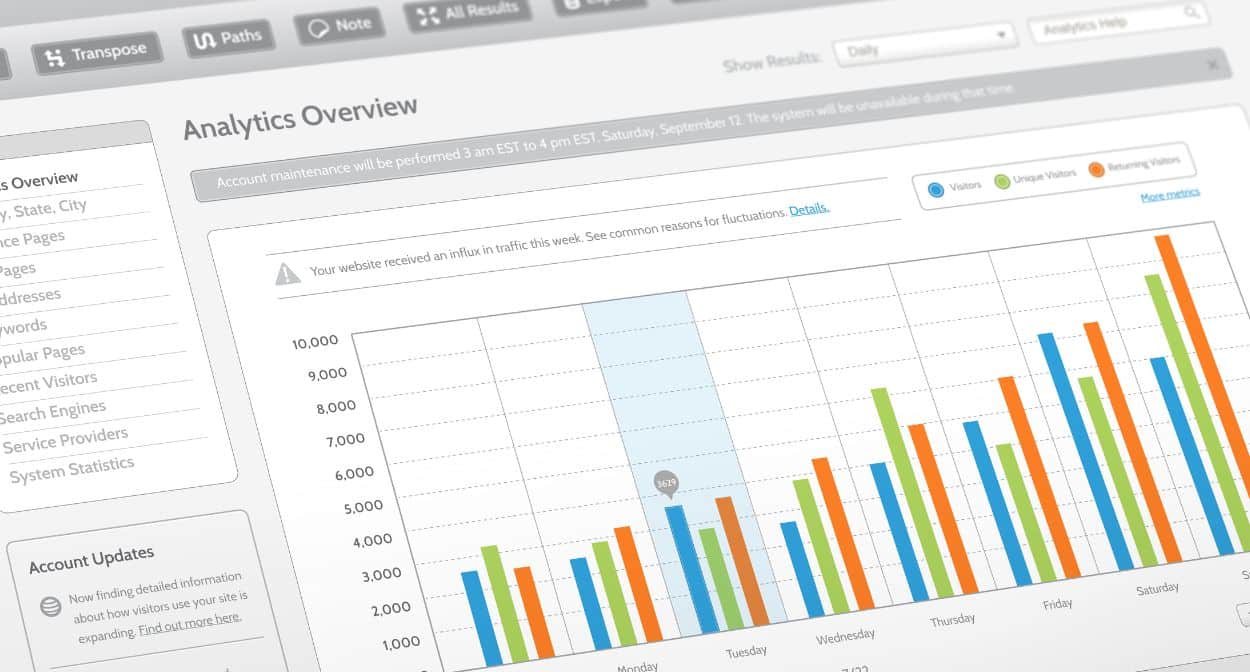
Website analytics are essential for tracking traffic and understanding user behavior on your site. Tools like Google Analytics provide a wealth of data about where your visitors come from, how they navigate your site, and what drives conversions.
Traffic Sources:
Knowing where your traffic comes from is crucial. Common sources include organic search, paid traffic, social media, direct visits, and referral sites. For example, if a significant portion of your traffic comes from Pinterest, you should invest more in creating visually appealing content for this platform. This strategy helped a flooring company discover that Pinterest was driving a large amount of traffic, leading them to focus more on this channel and significantly increasing their conversions.
User Behavior:
Analyzing user behavior helps you understand how visitors interact with your site. Key metrics include page views, time spent on site, bounce rate, and exit pages. If certain pages have high bounce rates, it might indicate that the content or design needs improvement. Conversely, pages with high engagement can provide insights into what interests your audience the most.
Conversion Tracking:
Tracking conversions is about measuring how effectively your website turns visitors into customers. Define what constitutes a conversion for your business—whether it's a product purchase, a newsletter sign-up, or a contact form submission. By analyzing conversion rates across different campaigns and pages, you can identify which strategies are most effective in driving flooring leads and sales.
Optimizing Email Marketing with Data

Email marketing remains one of the most effective ways to engage your audience. By analyzing metrics such as open rates, click-through rates (CTR), and conversion rates, you can refine your email content to better meet your customers' needs.
Open Rates:
Tracking open rates helps you understand how many recipients are opening your emails. Factors such as subject lines, sender names, and timing play a significant role. Experiment with different subject lines and sending times to see what resonates best with your audience.
Click-Through Rates (CTR):
CTR measures the percentage of recipients who click on links within your emails. The relevance and attractiveness of your content drive this metric. A/B testing different layouts, calls to action, and content can help you find the most effective combination.
Conversion Rates:
Conversion rates assess how many email recipients take the desired action, such as making a purchase or booking a consultation. By tracking the journey from email click to conversion, you can refine your email content and landing pages to improve the overall customer journey.
A flooring company found that emails with subject lines highlighting exclusive offers and tips had higher engagement. Personalized product recommendations based on previous purchases also significantly boosted click-through and conversion rates.
Leveraging Sales Data for Better Decisions

Sales data provides a wealth of information about your top-selling products, seasonal trends, and customer purchasing behavior. By analyzing this data, you can make more informed decisions about your marketing strategies.
Product Performance:
Understanding which products are most popular helps you focus your marketing efforts. Analyze sales volume, revenue generated, and return rates for each product. This can help you identify best-sellers and underperforming products, allowing you to optimize your inventory and marketing strategies accordingly.
Sales Trends:
Identifying peak sales periods and seasonal variations can help you plan promotions and inventory. For example, if you notice that hardwood flooring sales spike during the spring, you can prepare targeted marketing campaigns leading up to this period.
Customer Segments:
Segmenting your customers based on demographics, purchase history, and preferences allows you to tailor your marketing strategies to meet their specific needs. For example, a flooring company noticed that luxury vinyl flooring was particularly popular among young families due to its durability and cost-effectiveness. This insight led to targeted promotions and marketing campaigns that significantly increased sales.
Implementation Steps for Flooring Companies

1. Website Analytics:
- Set up Google Analytics to track website traffic, user behavior, and conversion rates.
- Analyze traffic sources to understand where your visitors are coming from.
- Monitor user behavior metrics to identify high-performing and underperforming pages.
- Track conversion rates to measure the effectiveness of your marketing campaigns and website design.
2. Email Marketing Metrics:
- Use email marketing platforms like Mailchimp or Constant Contact to track open rates, click-through rates, and conversion rates.
- Conduct A/B testing to optimize subject lines, content, and sending times.
- Personalize email content based on customer preferences and purchase history to improve engagement and conversions.
3. Sales Data:
- Review sales data to identify top-selling products and seasonal trends.
- Segment customers based on demographics and purchasing behavior to tailor marketing strategies.
- Plan promotions and inventory based on identified trends and patterns.
By integrating these analytics and data tools into your marketing strategy, you can gather valuable insights about your audience and refine your approach. This data-driven strategy not only enhances customer engagement but also drives business growth.
Conclusion
Data-driven decisions are the key to unlocking your business’s full potential. By utilizing analytics and data tools, you can gain a deeper understanding of your audience, optimize your marketing strategies, and ultimately, increase your sales. Start integrating these tools today and watch your flooring business transform.