



With the competitive nature of the epoxy flooring industry, it’s crucial to adopt effective paid advertising strategies to stand out and attract potential clients. Pay-per-click (PPC) advertising, especially through Google Ads, can drive high-quality leads, boost conversions, and increase brand visibility when executed strategically. Below, we outline essential PPC tactics, including setting up successful Google Ads campaigns, budgeting for optimal ROI, and crafting persuasive ad copy and landing pages for epoxy flooring services.
Setting Up Effective Google Ads Campaigns

Google Ads is a powerful platform for epoxy flooring companies, as it allows targeting people actively searching for flooring solutions. To start an effective campaign, follow these steps:
Choose the Right Campaign Type: For epoxy flooring companies, the most effective campaign types typically include Search Campaigns (text ads appearing in search results) and Display Campaigns (image-based ads on websites within Google’s network). Search ads tend to yield higher intent, targeting users who are already looking for epoxy flooring solutions, while display ads can help build brand awareness by reaching a broader audience.
Identify Target Keywords: Keywords are the foundation of any successful Google Ads campaign. For epoxy flooring, start by researching keywords related to your services, such as “epoxy flooring installers,” “garage epoxy floor coating,” and “concrete coating services.” Tools like Google’s Keyword Planner and SEMrush can provide search volume and competition data to help you prioritize the best keywords. Consider also targeting location-specific keywords (e.g., “epoxy flooring in [City]”) to capture local leads.
Use Location Targeting: Epoxy flooring services are typically regional, so it’s essential to target ads geographically. Google Ads allows you to specify locations where your ads should appear, ensuring that you reach potential clients in your service area. Targeting specific cities or neighborhoods can increase relevancy and prevent budget waste on clicks outside your area.
Optimize Ad Extensions: Ad extensions can enhance the visibility and appeal of your ads. Consider using site link extensions to direct users to specific pages, like “Our Services” or “Get a Free Quote.” Call extensions make it easy for potential customers to reach you directly, and location extensions are helpful for local search visibility, which is especially useful for companies with physical locations.
Set Up Conversion Tracking: For any PPC campaign, tracking conversions is crucial to understanding your ROI. Set up Google Ads conversion tracking to monitor actions like form submissions, phone calls, or quote requests from your ads. This data will allow you to refine your campaigns and optimize for better performance.
Budgeting for PPC and Maximizing ROI

Budgeting effectively is essential to achieving a high return on investment (ROI) from PPC campaigns. For epoxy flooring companies, where services can yield high revenue per client, a well-planned budget can drive profitable results. Here’s how to allocate your PPC budget for optimal ROI:
Determine a Realistic Budget: For many epoxy flooring businesses, a monthly PPC budget may range from $500 to $5,000, depending on the competitiveness of the target market. Use Google Ads’ keyword planner to gauge cost-per-click (CPC) estimates for your chosen keywords, then decide how much you’re willing to spend per lead. Factor in the average cost of services and your conversion rates to align your budget with expected revenue.
Adjust Bids Based on Performance: Google Ads provides multiple bidding strategies (e.g., manual CPC, target CPA, maximize conversions) to fit your goals. Start with manual bidding to control your budget while you learn which keywords perform best. Once you identify high-performing keywords, consider automating bids or using target CPA bidding (cost per acquisition) to focus on maximizing conversions within your budget.
Use Negative Keywords to Refine Targeting: Negative keywords prevent your ads from appearing in irrelevant searches, which can quickly drain your budget. For example, you may want to exclude terms like “DIY epoxy” or “epoxy paint kits” if you’re focusing on professional installation services. Refine your negative keyword list regularly to avoid unwanted clicks.
Monitor and Optimize: Regularly analyze campaign performance, focusing on metrics like click-through rate (CTR), conversion rate, and cost per conversion. Pause underperforming keywords or ads and reallocate your budget toward high-performing ones. Making data-driven adjustments allows for a more efficient use of your PPC spend.
Crafting Compelling Ad Copy and Landing Pages
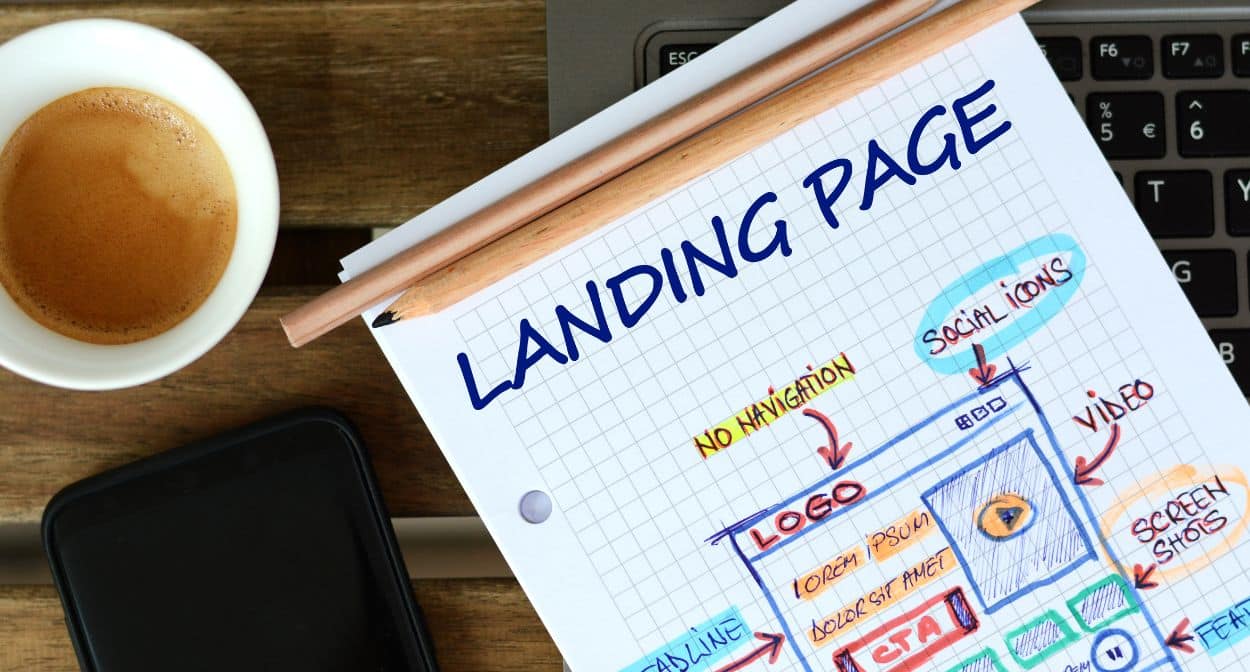
Ad copy and landing pages play a vital role in PPC campaigns, influencing click-through rates and conversions. Effective copy and landing pages not only capture attention but also guide potential clients toward taking action. Here’s how to create compelling ads and landing pages for epoxy flooring services:
Write Attention-Grabbing Headlines: Your headline is the first thing users see, so make it specific and benefit-driven. Instead of a generic “Epoxy Flooring Services,” try a headline like “Transform Your Garage with Durable Epoxy Flooring.” Highlight benefits like durability, aesthetic appeal, or customization options.
Include a Strong Call to Action (CTA): Guide users on the next step with a clear CTA in both your ad copy and on the landing page. For example, “Get a Free Estimate” or “Contact Us for a Custom Quote” gives potential customers a direct path to engaging with your services. Using CTAs that reflect urgency (e.g., “Limited Time Offer!”) can increase click-through rates and conversions.
Design Conversion-Optimized Landing Pages: Once a user clicks on your ad, the landing page experience should be seamless and persuasive. Key elements to include are:
A/B Test Your Ads and Landing Pages: Test different ad copies and landing page elements to identify what resonates best with your target audience. Experiment with various headlines, CTAs, images, and form placements to optimize performance. Regular A/B testing can significantly improve your campaign’s effectiveness over time.
Conclusion
A well-executed PPC strategy can elevate an epoxy flooring company’s visibility and drive qualified leads. By carefully setting up Google Ads, allocating your PPC budget wisely, and crafting persuasive ad copy and landing pages, epoxy flooring businesses can maximize their return on investment. Regularly monitor and adjust campaigns, and consider A/B testing to continually improve your approach, ensuring your ads attract the right audience and convert effectively.