



In the fiercely competitive world of digital marketing, service businesses must constantly seek ways to differentiate themselves and capture the attention of potential customers. With the widespread adoption of online advertising, many businesses are turning to Google Ads to promote their services and reach their target audience. However, as more competitors enter the digital advertising space, simply participating in Google Ads is no longer enough to guarantee success. To truly gain a competitive advantage, service businesses must implement well-executed Google Ads strategies that outshine their rivals and effectively attract and convert potential customers.
The Competitive Landscape of Google Ads

The Prevalence of Google Ads Among Competitors
In today's digital landscape, a significant number of service businesses are already leveraging Google Ads to promote their offerings. As the world's largest and most widely used search engine, Google has become the go-to platform for businesses looking to reach their target audience through online advertising. This widespread adoption of Google Ads has created a highly competitive environment, where businesses must vie for the top ad positions and the attention of potential customers.
The Risks of Not Participating in Google Ads
For service businesses that have yet to embrace Google Ads, the risks of not participating are substantial. By failing to leverage this powerful advertising platform, businesses are essentially ceding ground to their competitors, allowing them to capture a larger share of the online market. Potential customers who are actively searching for the services a business offers may be more likely to click on a competitor's ad, simply because that business has a presence on Google Ads.
Real-World Example: A local marketing agency in Chicago decides not to invest in Google Ads, believing that its strong organic search presence will be sufficient to attract clients. However, as the agency's competitors begin to dominate the ad space for relevant keywords, the agency sees a gradual decline in website traffic and lead generation, losing potential clients to rival firms that are actively advertising on Google.
Strategies for Gaining a Competitive Advantage with Google Ads

1. Conducting Thorough Competitor Analysis
Understanding Competitors' Ad Strategies
To gain a competitive edge with Google Ads, service businesses must first understand the advertising strategies employed by their rivals. By conducting a thorough competitor analysis, businesses can gain valuable insights into the keywords, ad copy, and landing pages used by their competitors. This information can help businesses identify gaps in their own advertising efforts and develop strategies to differentiate themselves from the competition.
Tools for Competitor Analysis
Google Ads offers a range of tools and features that can assist businesses in conducting competitor analysis. The Auction Insights report, for example, provides valuable data on how a business's ads are performing compared to those of its competitors. This report includes metrics such as impression share, average position, and overlap rate, which can help businesses gauge their relative performance and identify areas for improvement.
Real-World Example: A dental practice in Miami uses the Auction Insights report to analyze its competitors' performance on Google Ads. By examining metrics such as impression share and average position, the practice discovers that a rival clinic is consistently outranking them for key search terms. Armed with this knowledge, the practice adjusts its bidding strategy and ad copy to improve its visibility and attract more patients.
2. Developing Unique Selling Propositions (USPs)

Identifying Key Differentiators
To stand out in a crowded advertising landscape, service businesses must identify and communicate their unique selling propositions (USPs). A USP is a feature or benefit that sets a business apart from its competitors, providing a compelling reason for potential customers to choose their services over others. By incorporating USPs into their Google Ads campaigns, businesses can differentiate themselves and attract the attention of their target audience.
Crafting Compelling Ad Copy
Once a business has identified its USPs, it must effectively communicate them through compelling ad copy. Ad copy should highlight the business's key differentiators and emphasize the benefits that potential customers can expect to receive. By crafting ad copy that speaks directly to the needs and desires of the target audience, businesses can increase the likelihood of attracting clicks and conversions.
Real-World Example: A personal training studio in Los Angeles identifies its USPs as personalized workout plans, flexible scheduling, and a team of highly certified trainers. The studio incorporates these differentiators into its ad copy, with headlines such as "Personalized Training Plans for Your Unique Goals" and "Flexible Scheduling to Fit Your Busy Lifestyle." By emphasizing its USPs, the studio attracts the attention of potential clients seeking a tailored, convenient fitness experience.
3. Optimizing Landing Pages for Conversions
Creating Relevant and Engaging Landing Pages
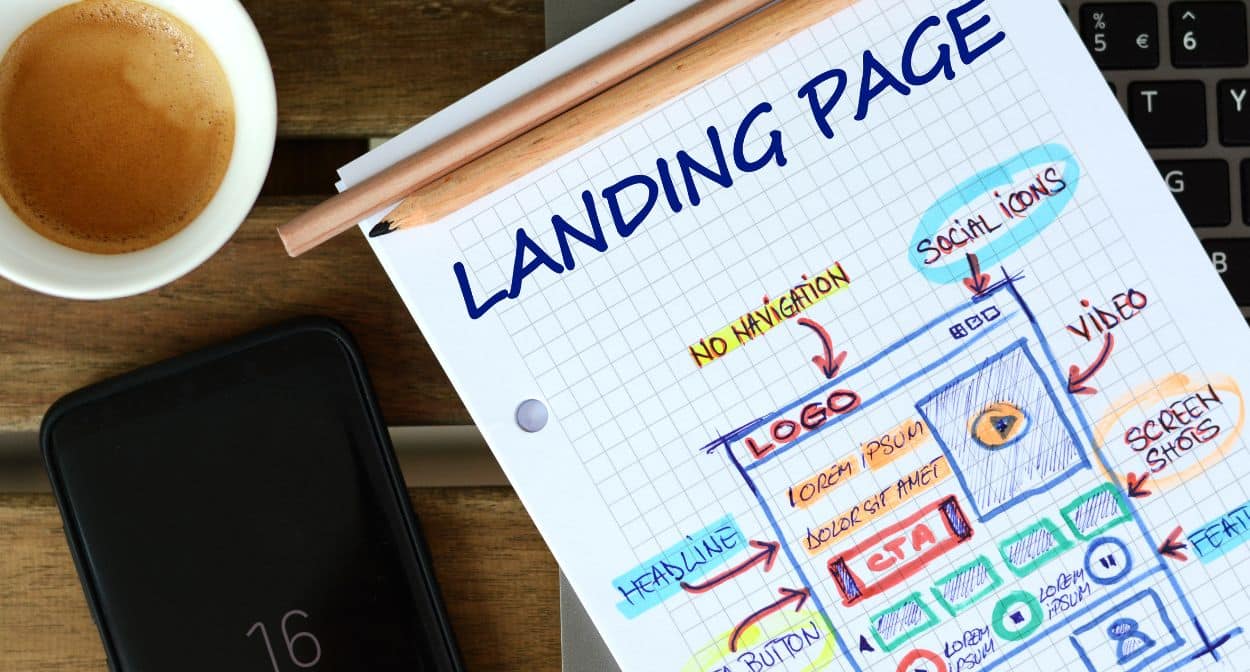
Gaining a competitive advantage with Google Ads extends beyond the ad itself. To truly capitalize on the traffic generated by their ads, service businesses must create landing pages that are relevant, engaging, and optimized for conversions. A well-designed landing page should provide a seamless transition from the ad, reinforce the business's USPs, and guide visitors towards taking a desired action, such as filling out a contact form or making a purchase.
Implementing Conversion Optimization Techniques
To maximize the performance of their landing pages, service businesses should implement proven conversion optimization techniques. These may include using clear and concise headlines, incorporating persuasive calls-to-action (CTAs), and displaying social proof, such as customer reviews or testimonials. By continually testing and refining their landing pages, businesses can improve their conversion rates and gain a significant competitive advantage.
Real-World Example: A home cleaning service in Seattle creates a dedicated landing page for its Google Ads campaign. The page features a prominent headline that reinforces the company's USP of eco-friendly cleaning solutions, along with a clear CTA encouraging visitors to request a free quote. By providing a relevant and optimized landing page experience, the cleaning service converts a higher percentage of ad clicks into leads, outperforming its competitors who neglect this crucial aspect of their campaigns.
4. Leveraging Advanced Targeting Options

Utilizing Demographic and Behavioral Targeting
Google Ads offers a range of advanced targeting options that allow service businesses to reach their ideal audience with precision. By leveraging demographic and behavioral targeting, businesses can ensure that their ads are shown to users who are most likely to be interested in their services. This targeted approach can help businesses maximize the impact of their advertising budget and gain a competitive edge over rivals who rely on broad, untargeted campaigns.
Implementing Remarketing Campaigns
Remarketing is another powerful targeting option that service businesses can use to gain a competitive advantage. By showing ads to users who have previously interacted with their website, businesses can keep their brand top-of-mind and encourage potential customers to return and take action. Remarketing campaigns often have higher conversion rates than standard campaigns, as they focus on users who have already demonstrated an interest in the business's services.
Real-World Example: A spa in Phoenix implements demographic targeting to reach women aged 35-55 with a household income above $75,000. The spa also sets up a remarketing campaign to show ads to users who have visited its website but haven't booked an appointment. By combining these advanced targeting strategies, the spa effectively reaches its ideal audience and drives more bookings than its competitors who rely on generic targeting.
Conclusion
In the highly competitive world of digital advertising, service businesses must adopt strategic and well-executed Google Ads campaigns to gain a competitive edge. By understanding the prevalence of Google Ads among their rivals and the risks of not participating, businesses can recognize the importance of embracing this powerful advertising platform.
Through real-world examples, we've seen how service businesses across various industries can implement strategies to outshine their competitors on Google Ads. From conducting thorough competitor analysis and developing unique selling propositions to optimizing landing pages and leveraging advanced targeting options, there are numerous ways for businesses to differentiate themselves and attract potential customers.
As the digital advertising landscape continues to evolve, service businesses that invest in refining their Google Ads strategies will be well-positioned to gain a competitive advantage and drive long-term success. By staying ahead of the curve and continually adapting to new trends and best practices, these businesses can effectively navigate the challenges of the competitive online marketplace and emerge as leaders in their respective industries.